Contact Form

Name

Email *

Message *

Friday, 17 February 2023

OnePlus Buds Pro 2 Review: A definite improvement over its predecessor in most areas

Pros:
– Enjoyable and customisable sound output
– Support for LHDC 4.0 codec and Google Spacial Audio
– Stylish design, comfortable in-ear fit, good passive noise isolation
– Ingress protection for buds as well as charging case
– Wear detection, multipoint support
– Useful companion app with more customisation options
– Good battery backup, supports wireless charging

Cons:
– Average ANC for the segment, transparency mode sounds cosmetic
– No support for LDAC codec (yet)
– No volume control on buds

Price: Rs 11,999

Rating: 4/5

After a year and a half, the successor for the OnePlus Buds Pro has arrived. The OnePlus Buds Pro 2 claims to offer a lot of enhancements in multiple areas right from the driver configuration to active noise cancellation (ANC) to battery backup. Does all this actually translate into a much-improved performance as compared to its predecessor? Let’s find out.

OnePlus Buds Pro 2 Review Lead image
Image Credit: Tech2 | Ameya Dalvi

OnePlus Buds Pro 2: Design and Comfort (8/10)
As far as the design goes, the Buds Pro 2 looks almost identical to the Buds Pro. The build quality is solid with the body sporting a smooth matte finish, while the stems are glossy. The combination looks good but the stems do attract a few smudge marks. Each earbud weighs under 5 grams each. The preinstalled mid-sized silicone tips worked best for me and offered pretty good passive noise isolation. Two more pairs of tips are included in the bundle to choose from.

Buds Pro vs Buds Pro 2 - Spot the difference
Image Credit: Tech2 | Ameya Dalvi

The buds have an IP55 rating for dust and fluid resistance, and the charging case retains its IPX4 rated moisture resistance. Just like the buds, even the case looks similar to that of its predecessor, just a little larger and with Dynaudio branding in addition to the OnePlus logo. The case is well-built too, quite pocketable and has the same matte finish as the buds. You get a tiny charge indicator LED at the front and a USB-C port at the back. It hosts a 520 mAh battery and is actually lighter at 47.3 grams. The case also supports Qi-certified wireless charging.

Buds Pro vs Buds Pro 2 Charging case
Image Credit: Tech2 | Ameya Dalvi

The earbuds sit nicely into the ears without any discomfort even after wearing them for a few hours. While the fit seems slightly better than before it isn’t the most snug. Having said that, they generally stay in place during jogs or workouts. Though they didn’t pop out, I did feel the need to adjust them occasionally. The pressure sensitive pinch controls have been retained, and I personally find them better than standard touch controls. More on that in a bit.

OnePlus Buds Pro 2: Features and Specifications (8.5/10)
Just like its closest competitor, the Oppo Enco X2, OnePlus has opted for a dual-driver setup in the Buds Pro 2. Each bud has an 11 mm dynamic driver to handle the lows and mids and a dedicated 6 mm tweeter mainly for the high-end frequencies. Each earbud also has three microphones for ANC/Transparency and making calls. Add to that wear detection sensors to pause the audio when you remove a bud from your ear, and resume when you put it back on. The earbuds also support multi-point connect to pair them with two devices simultaneously.

The OnePlus Buds Pro 2 is Bluetooth 5.3 compliant, and supports SBC, AAC and LHDC 4.0 audio codecs. LHDC is not a readily available codec, and if you do not have a phone that supports it, you will have to make do with AAC. Support for LDAC codec would have been better due to its much wider availability. OnePlus can take a leaf out of Oppo’s book, who added LDAC support on the Enco X2 (which has specs similar to the Buds Pro 2) post launch. For what it’s worth, OnePlus does promise support for LHDC 5.0 in the near future. The latency can go as low as 54 ms on these earbuds.

OnePlus Buds Pro 2 Review Buds and case
Image Credit: Tech2 | Ameya Dalvi

Just like the older Buds Pro, these earbuds have pressure-sensitive controls instead of standard touch inputs. You need to pinch the stems once, twice, thrice or pinch and hold to perform the designated tasks. You do not get undesired actions due to accidental touches here, which is why I prefer these over normal touch gestures. When you pinch the stems, you hear a click to confirm the input. 

The controls can be configured through the Bluetooth settings on OnePlus phones (OnePlus 6 or newer). If you do not get the options, you will need to update the ‘Oppo’ Wireless Earphones app (yes!) on OnePlus phones. HeyMelody app lets you configure these earbuds on other phones. Unlike its predecessor where you could only configure the triple pinch gesture, you can assign different functions to single, double and triple pinch gestures. However, you still don’t get an option for volume control here.

You can choose between four ANC modes that are now called Mild, Moderate, Max and Smart (hello Oppo). The Max mode can reduce ambient noise up to 48 dB; a jump of 8 db from the Buds Pro. To be honest, the noise reduction seemed exactly the same to me in the first three modes. Smart is meant to automatically switch between the three modes depending on the quantum of ambient noise, and it does a pretty decent job. So it’s best to select Smart ANC.

OnePlus Buds Pro 2 Review Buds in case
Image Credit: Tech2 | Ameya Dalvi

The OnePlus Buds Pro 2 also lets you create your unique Audio ID (which is now called Golden sound) using a listening test that determines your hearing profile based on your sensitivity to different sounds. It boosts certain frequencies to produce a more fuller sound for your ears. The configuration is a little different now, but the end result is better than before. Certainly worth a shot; you can always try again or disable it if you don’t like the results. 

You also get the usual four OnePlus sound presets – Balanced, Bold, Serenade and Bass, tuned by Dynaudio this time, along with a 5-band equaliser to create your own profiles (other than Golden sound). The latest firmware (165.165.101) update also adds the ‘Hans Zimmer Soundscape Tuning’ preset and BassWave bass enhancement. Zen Mode Air has been retained, which plays one of the five white noises of your choice to help you relax or sleep. The chosen noise is stored on the buds and can be played by pinching and holding either of the buds for 3 seconds. 

OnePlus Buds Pro 2: Performance (8/10)
Pairing these earphones with the phone is a standard process. It also supports Google Fast Pair. The connection stays strong for the specified 10 metres with a clear line of sight, but drops drastically with a concrete wall in between. As long as the earphones and the source device are in the same room, this shouldn’t matter. Multi-point is supported right out of the box but it needs to be enabled from the Bluetooth settings or the HeyMelody app.

All the ANC modes noticeably reduce several low frequency ambient sounds like whirr of a fan or the buzz of an AC. When outdoors, even the traffic noises are filtered out reasonably well, but it cannot keep out too many midrange frequency sounds. Sony has spoiled us in this department, and the ANC here is not in the league of Sony WF-1000XM4 or even their Linkbuds S. It is comparable to the Oppo Enco X2 though that sells for a similar price. The Transparency mode here sounds a bit cosmetic rather than natural, and can use some improvement. 

We have already seen a couple of firmware updates since I started testing the OnePlus Buds Pro 2, and there has been a bit of an improvement in sound quality after each of those. For some reason, these buds would sound noticeably different with ANC on and off, and that gap has been bridged significantly after the latest update. You can still hear the difference in low end frequencies if you listen carefully. The bass feels slightly tighter with ANC off. 

There are a lot of sound tweaks to play around with to tune the output to your liking. As I mentioned earlier, you get 5 sound presets along with a 5-band equaliser to create your own presets. The latest firmware update (v165.x) added a BassWave feature too that gives you the option to increase or lower the bass without going to the equaliser or creating a new preset. Almost all the preinstalled profiles have boosted bass, except the Hans Zimmer preset that was added in the new update, which to be honest, sounds a tad dull.

OnePlus Buds Pro 2 Review Earbuds
Image Credit: Tech2 | Ameya Dalvi

The Buds Pro 2 are among the loudest around and are perfectly audible even at 50% volume level. However, the default sound favours the lows and remains noticeably bass-heavy. Actually, the sound profile is broadly V-shaped with boosted lows and highs, and recessed mids. For best results, simply open the equaliser and boost the midrange frequencies a bit for better balance. Post that, the output feels a lot lively and enjoyable across various genres of music. 

The extra bass, though mostly tight, does mask the lower end of the midrange spectrum, and boosting the mids through the equaliser makes sense. The vocal clarity is quite good here, be it vocals in music or dialogues in movies or web series. The sound is quite punchy when watching content on Netflix and Prime Video, and you get Dolby Atmos compliance too. I did not face any latency issues when watching videos. You also get Google Spacial Audio support with certain content and these earphones support Dolby Head Tracking too, which seems a bit gimmicky for now and only works with OnePlus 11 5G at the moment. 

Moving on, the highs have a good amount of sparkle yet do not sound sibilant. They are tempered quite well in comparison to its predecessor. The overall detail in sound is pretty good and imaging is handled well. The soundstage seems to have improved with the latest firmware update and is reasonably broad for the category. In comparison to the Oppo Enco X2, which is similar in specs and pricing to the Buds Pro 2, these OnePlus buds produce more pronounced bass, while the Oppo sounds more detailed.

OnePlus Buds Pro 2: Call quality (7.5/10)
The call quality on the OnePlus Buds Pro 2 is better than its predecessor’s but not the best in the segment. The person on the line could hear me clearly for most parts but complained that my voice sounded a touch softer as compared to the phone microphone. The wind noise suppression works well here, and most of the traffic noise was kept in check too barring the high pitched honks (understandably). The soft hiss that could be heard on the Buds Pro is gone now, which is good.

OnePlus Buds Pro 2: Battery life (8.5/10)
The battery backup on the Buds Pro 2 is impressive. The advertised battery figures are based on the use of AAC codec and at 50% volume, wherein they are expected to last for 6 hours with ANC on and 9 hours without it. Along with the case, those figures read 25 hours and 39 hours respectively. While the loudness was close to 50% during the course of testing, I used the LHDC codec throughout. Even with that, the numbers weren’t bad at all. With ANC on, the buds lasted close to 5 hours, and without ANC, I could push them closer to 7 hours. 

OnePlus Buds Pro 2 Review Charging case 2
Image Credit: Tech2 | Ameya Dalvi

The case can recharge the buds thrice more comfortably, thus taking the overall battery backup between 20 to 30 hours, with and without ANC respectively. That is perfectly acceptable battery life for the segment. The OnePlus Buds Pro 2 supports quick wired charging, and 10 minutes of charge gives you close to 3 hours of play time on the buds with ANC off, and close to 10 hours overall with the charging case. That’s quite impressive. The battery status of each earbud as well as that of the charging case is visible on the phone/companion app. 

OnePlus Buds Pro 2: Price and verdict
The OnePlus Buds Pro 2 is priced at Rs 11,999 with a one year warranty. The price may be Rs 2,000 higher than that of the Buds Pro at launch, but it does bring a lot of improvements and new elements to the table. Specs aside, the sound quality, call quality and battery life are now better on the Buds Pro 2, and you get a lot more sound and controls customisations which were missing on its predecessor, thus justifying the price difference.

As for alternatives, the Oppo Enco X2 is the biggest threat. Not only is it a thousand Rupees cheaper but also offers more refined sound with better balance between the three frequency ranges. The Buds Pro 2’s output is more punchy, and it offers better battery backup and more sound tweaks in comparison, making the contest more even. Another option to consider is the upcoming OnePlus Buds Pro 2R for a good 2K less, if you do not care about wireless charging or Head Tracking. All other features of the Buds Pro 2 are available there. Take your pick.


from Firstpost Tech Latest News https://ift.tt/bsuQOVM

Thursday, 16 February 2023

Samsung Galaxy A14 5G review: A solid smartphone full of surprises, that gets the job done

Pros
– Battery life
– Aesthetics and design
– Lower-specced variant one of the cheapest 5G phones in the market
– Impressive main camera
– 3.5mm jack
– Expandable Storage and virtually expandable RAM
– Vibrant LCD display

Cons
– Mono speaker
– No OIS in any of the cameras
– No IP rating
– 15W charging, with no charging brick in the box
– Bezels and bottom chin

Price: Rs 20,999 for the 8GB + 128GB variant

Rating: 4/5

Although smartphone manufacturers tend to focus most of their resources in hyping up their flagship devices, it is the mid-range segment where they face some of their fiercest competition. The first smartphone that Samsung launched this year, the Galaxy A14 5G may look rather simple and plain on the surface. However, considering that it costs Rs 20,999 for the top, 8GB + 128GB variant, and can be had for cheaper after discounts and offers, we have to say that the device has the potential to shape up to be one of the best 5G devices under Rs 20,000. There’s also a 4GB + 64GB variant as well as a 6GB + 128GB variant which costs even less.

Samsung Galaxy A14 5G Review (3)
Image Credit: Tech2 | Mehul Reuben Das

What Samsung has done with the Galaxy A14 5G may be that they have focussed on what really makes a budget smartphone good, and ticked most of the boxes they could. The Galaxy A14 5G is a device that gives you the hand feel of a far more premium device, something that would cost around Rs 35-40,000, but at almost half that price.  

The Galaxy A14 5G is feature loaded, has some pretty solid specifications and is genuinely a good phone who are looking for something that gets the job done without too many distractions. However, there are a few flaws as well. So how does the Galaxy A14 5G hold up, and more importantly, is it worth your hard-earned money? 

Samsung Galaxy A14 5G Review (1)
Image Credit: Tech2 | Mehul Reuben Das

Samsung Galaxy A14 5G review: The design
The Samsung Galaxy A14 5G is simple but elegant looking. Our test unit was a light green unit, which looked particularly chic, thanks to the textured back that the device gets. The rear panel, which has been made using plastic, also has this shimmery effect that looks particularly premium especially when the light hits it at an odd angle. The textured rear panel ensures that it does not attract any smudges or fingerprints. Other than green, you get to choose from two more colours, dark red, and black.

Samsung Galaxy A14 5G Review (5)
Image Credit: Tech2 | Mehul Reuben Das

Coming to the front of the display, the first thing you will notice is that the device has some conspicuously large bezels. The bottom chin, in particular, stands out quite a bit. Although the device comes with a pretty sizeable 6.6-inch display, the bezel makes the screen look a tad bit smaller. On the front, we also get to see the front-facing camera behind a teardrop notch. 

Samsung Galaxy A14 5G Review (8)
Image Credit: Tech2 | Mehul Reuben Das

On the right, we get to see the volume rockers, as well as the power button. The power button also doubles up as the fingerprint scanner. The left side has no buttons and houses the sim tray, which also has a slot for a microSDXC slot.

At the bottom, we see a speaker grille that houses one of the speakers, as well as the USB Type-C port. Much to our surprise the device comes with a 3.5mm jack. 

Samsung Galaxy A14 5G Review (9)
Image Credit: Tech2 | Mehul Reuben Das

At the rear, we get three rear cameras all of which stand vertically on their own, along with the LED flash. There is no camera module or a camera island as such which actually gives the device a premium and somewhat minimalistic appeal from the rear. 

The Samsung Galaxy A14 5G is built like a tank and feels solid to hold. All in all, as far as aesthetics are concerned, the device looks simplistic and elegant. The only flaw with the hardware is that the device doesn’t come with an IP rating, so it’s not dust or water-resistant.

Samsung Galaxy A14 5G Review (10)
Image Credit: Tech2 | Mehul Reuben Das

Samsung Galaxy A14 5G review: The display
The bezels of the display of the Samsung Galaxy A14 5G  will have you believe that the display isn’t something to write home about. That, however, couldn’t be far from the truth. The Samsung Galaxy A14 comes with a 6.6-inch FHD+ PLS LCD display with a resolution of 1080×2408 pixels, set in an aspect ratio of 20:9. The display supports a refresh rate of up to 90Hz, which gives users a buttery smooth experience. 

The display comes with an HDR10 certification is vibrant, sharp and very clear, even under direct sunlight. We had no problem reading off the screen or playing games, even under the sun, although, the dark portions of videos do get a little difficult to deal with. 

Samsung Galaxy A14 5G Review (7)
Image Credit: Tech2 | Mehul Reuben Das

All in all, while the Display may only be an LCD panel, it gets the job done, easily. As typical with most Samsung phones, the display is sharp and vibrant enough, so much so that unless you have been using a smartphone with an AMOLED panel, you wouldn’t actually realise that the display that you’re using doesn’t have the same level of crushing blacks and that high a contrast ratio. For people who have been using other phones with LCD panels, the display will certainly feel more refined and more saturated.

Samsung Galaxy A14 5G review: The camera
The Samsung Galaxy A14 5G has a triple camera setup at the rear. The main camera is a 50MP sensor, paired with an f1.8 lens and shoots wide. The other two cameras are 2MP each, one for macro and the other for depth. 

The main camera comes with PDAF or Phase Detection Auto Focus and takes some pretty awesome photos, especially in the daylight. The photos are vibrant and crisp when they have adequate lighting, and take photos that have plenty of details. In certain situations especially when the light isn’t optimal, the photos showed a little too much processing. The dynamic range is pretty solid, but we reckon Samsung can do a better job, once it pushes out an update that optimised the camera better.

At night though the camera struggles. The pictures get a little grainier but still usable. The Night mode does tone things down a bit, however, it becomes quite clear that the photos have been processed a lot. Also, the Night Mode turns the camera a little slower than the normal shooting settings. With that being said, we aren’t complaining exactly, as most smartphones at this budget will have this issue.

You can get the camera to take photos with some pretty good bokeh, but you will have to use the portrait mode for that, and more importantly, hone in on the focusing point properly. The camera also comes with a bunch of filters to play with, if that’s your thing.

As for the front-facing camera, it is a 13MP sensor. The device gave us some decent shots, considering the price. The fixed-focus camera gives us plenty of details, and the colours are also accurate. The front-facing camera does have the tendency to overexpose the face a little to brighten it up, but then again, that’s an issue with almost all smartphone cameras at this pricepoint.

Samsung Galaxy A14 5G Review (6)
Image Credit: Tech2 | Mehul Reuben Das

As for videos, the Samsung Galaxy A14 5G shoots 1080p videos on the 50MP main sensor, as well as the front camera. Both cameras can shoot videos at up to 30fps. You get some sort of EIS, which quite frankly, is a bit of a downer. 

Samsung Galaxy A14 5G review: The performance, software experience and UI
The Samsung Galaxy A14 is a rather capable smartphone thanks to an octacore, Exynos 1330 CPU, and the Mali-G68 MC4 GPU. The SoC has been properly optimised for the Galaxy A14 which makes its performance rather snappy in day-to-day tasks.

Our test unit had 8GB of LPDDR4X RAM and 128GB of UFS 2.2 internal storage. We also get RAM Plus, which offers the option to increase the physical memory by an additional 8GB RAM. Furthermore, you also get a dedicated microSDXC slot so storage won’t exactly be an issue.

Samsung Galaxy A14 5G Review (13)
Image Credit: Tech2 | Mehul Reuben Das

Given that this is not a top-tier flagship device, the scores that it gets in benchmarks do not break records. However, in our day-to-day usage, which involved some pretty intense gaming sessions and quite a bit of multitasking, it did really well.

Image Credit: Tech2 | Mehul Reuben Das

The device handled lighter games like Alto’s Odyssey rather well. Moreover, it handled more demanding games like Asphalt 9 and Call of Duty Mobile decently as well at 60fps albeit at low graphic settings without any issues. 

Samsung Galaxy A14 5G Review (12)
Image Credit: Tech2 | Mehul Reuben Das

The Samsung Galaxy A14 runs on OneUI 5, which is based on Android 13. You get Android 13 straight out of the box, so that’s a massive plus. As divisive as OneUI can be, OneUI 5 is definitely one of the better versions, and with the Galaxy A14, you’re truly getting the best features that the UI has to offer, of course, barring flagships like the S22 Ultra or the Galaxy Fold 4.

There is some bloatware, mainly in the form of Samsung’s own apps. – it is actually much easier than turning off app recommendations in smartphones from other brands. 

As for connectivity, the Samsung Galaxy A14 comes with WiFi, BlueTooth 5.2 and USB Type-C 2.0 port. We also appreciate that the device has a 3.5mm port, as users will be needing it. The device only has a mono speaker at the bottom and no speakers at the top, not even an earpiece. Naturally then, content consumption and gaming without a headphone may be underwhelming for some.

The device also comes with both SA and NSA bands, for a total of 10 5G bands, which covers most of the popular bands that 5G operators are operating on. During our 5G tests, we were easily getting about 450MPBS at about 500 metres away from a tower, which is usually where and how we do these tests. 

Samsung Galaxy A14 5G review: The battery life
Speaking of battery life, we can only say good things about it as we were thoroughly impressed. The Galaxy A14 has a 5000mAh battery. Because we are using an LCD panel, and because the CPU isn’t that power-hungry, we get a pretty impressive battery life

You’ll easily get over 8-10 hours of screen on time at 70 per cent brightness, and over 14 hours of usage time. Our typical usage included watching videos, browsing the internet, some amount of gaming, going through emails, conference calls with the office etc.

Samsung Galaxy A14 5G Review (2)
Image Credit: Tech2 | Mehul Reuben Das

The Galaxy A14 supports 15W wired charging, provided you have a supporting charging block. The device does not come with a charging brick, but only with a USB-C to USB-C cable. This is another aspect of the Galaxy A14, especially when you consider what the device costs, and that smartphones in this budget, support up to 80W charging. Samsung should have provided a USB-A to USB-C cable. During our tests, we were consistently getting to the end of the day, with about 25-30  per cent of battery while daily driving it. 

Samsung Galaxy A14 5G review: The verdict
Given that the Samsung Galaxy A14 costs about Rs 20,000 or perhaps even lower, depending on offers and discounts, it ticks a lot of the correct boxes, especially for someone who’s looking for a budget smartphone from a reputable and established brand.

Samsung Galaxy A14 5G Review (11)
Image Credit: Tech2 | Mehul Reuben Das

Yes, there are a ton of options from other manufacturers at this price point which offers a ton of more features and have slightly better hardware. But then, they are known to have terrible after-sales services, and availability of spare parts. 

We also like the fact that Samsung has pledged two years of Android OS updates, and four years of security updates.

Performance, even though not chart-topping is still solid, and not something that you can complain about. Unless you’re a pro gamer or an ultra-heavy user, you won’t find any issues

Overall, the Samsung Galaxy A14 5G is a pretty solid device, one that we can confidently recommend people go for, if they want to go for a mobile phone brand that has been around for decades now. 


from Firstpost Tech Latest News https://ift.tt/uITkHJh

Friday, 10 February 2023

Crypto Bull Market


Crypto Bull Market Definition

luks3563@gmail.com
Crypto bull marketA bull market in cryptocurrency refers to a sustained period of rising prices in the cryptocurrency market. It is characterized by a positive sentiment among investors and increased buying pressure, which drives prices higher. During a bull market, investors are optimistic about the future of the market and believe that prices will continue to rise, leading to a virtuous cycle of buying and price appreciation. The term "bull market" is often used in contrast to a "bear market," which is characterized by falling prices and a negative sentiment among investors.

It's important to note that the cryptocurrency market can be highly volatile and prices can fluctuate rapidly. As such, investing in cryptocurrencies can be risky, and it's important to thoroughly research and understand the market before making any investment decisions.

Wednesday, 8 February 2023

OnePlus launches the OnePlus 11, OnePlus 11R in India, announce OnePlus Pad; check price and details

After months of rumours, speculations and conjectures, OnePlus has finally launched their 2023 flagship series, the OnePlus 11 in India. While the launch of the OnePlus 11 was all but confirmed in India, the launch of the OnePlus 11R was somewhat surprising, given that the device was only rumoured to be launched in India.

OnePlus launch OnePlus 11, OnePlus 11R in India, announce OnePlus Pad; check price and details (1)

What took most people by surprise, however, was the fact that OnePlus also entered the tablet market with the OnePlus Pad and hopes to take on Apple, the number one contender in the tablet market.

While the OnePlus 11 smartphones, along with the newly launched OnePlus Buds Pro 2 and the new OnePlus TV will be available to customers in a couple of weeks, fans of the brand that claims to “Never Settle” will have to wait until April before they get can get their hands on the OnePlus Pad.

We take a detailed look at the OnePlus 11, OnePlus 11R, their specifications, and their pricing in India.

OnePlus 11: Specifications & features
The OnePlus 11 is the company’s full-on flagship, now that the Pro monicker has been dropped. It is highly unlikely that OnePlus will launch a Pro device this year, although, they might surprise us with a foldable device in the second half of the year. 

The OnePlus 11 comes with a 6.7-inch 1440x3216px Fluid AMOLED LTPO3 display which supports an adaptive refresh rate of 120Hz, and a peak brightness of 1300 nits.

For performance, the OnePlus 11 5G is powered by the Snapdragon 8 Gen 2 SoC and comes with up to 16GB LPDDR5X RAM and up to 256GB UFS 4.0 storage. The device ships with Android 13 out of the box, and will be eligible for four major OxygenOS updates and five years of security updates.

As for the cameras, the OnePlus 11 comes with a 50MP f/1.8 24mm main camera, which uses Sony’s IMX890 sensor, a 32MP camera with 2X zoom which uses the IMX709 sensor, and a 48MP ultrawide unit that also has macro capabilities and uses the IMX581 sensor. For selfies, we get a 16MP selfie camera on the front. 

The cameras have the 3rd generation of Hasselblad’s Mobile tuning. It also has features like an all-new Natural Color Calibration with Hasselblad, which uses a 13-channel multi-spectral sensor to identify light and color, as well as Hasselblad Portrait Mode, and OnePlus’ own TurboRAW HDR.

For the battery, there’s a 5,000mAh unit that supports 100W SUPERVOOC wired charging. Users in North America however, get 80W SUPERVOOC wired charging instead. There’s no wireless charging on the OnePlus 11, though.

OnePlus 11: Price and availability
The OnePlus 11 is available in a Titan Black with a matte finish to the glass panel and an Eternal Green which comes with a glossy finish.

In India, the devices have been priced at Rs 56,999 and Rs 61,999 for the 8GB + 128GB and 16GB + 256GB variants, respectively. And although the devices are already available to be preordered from OnePlus’ website and their e-commerce partners, the devices will start shipping on February 14.

OnePlus 11R: Specifications & features
The OnePlus 11R comes with a 6.74-inch display, the same that the OnePlus 10R had. However, there is a bump in the resolution, which now stands at 1240 x 2772px. This essentially means that the display is somewhere between FHD+ and QHD+. The refresh rate is the same at 120Hz and it is still a 10-bit panel with HDR10+, and has a peak brightness of 1450 nits.

OnePlus launch OnePlus 11, OnePlus 11R in India, announce OnePlus Pad; check price and details

As for performance, the device is powered by the Snapdragon 8+ Gen 1 chipset and supports up to 16GB of RAM, and up to 256GB of storage. Like its elder sibling, the device also ships with Android 13 out of the box and will be eligible for four major OxygenOS updates and five years of security updates.

The phone has a triple camera set up at the rear. The primary camera is a Sony IMX890 50-megapixel main sensor, an 8-megapixel ultra wide-angle sensor, and a macro camera with a 120-degree ultra-wide lens. The OnePlus 11R does not have optical zoom but does have 10x digital zoom. The front-facing 16MP camera is housed in a hole-punch cutout at the top of the display.

The OnePlus 11R’s rear camera supports EIS (electronic image stabilisation) and OIS (optical image stabilisation) and can capture 4K resolution movies at 30fps (frames-per-second).

The OnePlus 11R comes with a 5,000mAh battery that supports 100W SUPERVOOC S flash fast charging, which ensures better discharging and safe rebooting.

OnePlus 11R: Price and availability
The 8GB+256GB variant is priced at Rs. 39,999, while, the 16GB+256GB variant is priced at Rs. 44,999. The device will be available in two colour options – Sonic Black, and Galatic Silver and will go on sale via Amazon, the OnePlus website, and retail stores across the country on February 28. Pre-orders for the handset will start on February 21.


from Firstpost Tech Latest News https://ift.tt/Nas3UZ2

Tuesday, 7 February 2023

OnePlus 11 5G Preview: Initial impressions and what’s different from the OnePlus 10T

It is time for the next generation of OnePlus phones, mainly the OnePlus 11 5G. By the time you read this piece, it would already been officially unveiled in India. We had access to the device for the past few days, and though the full review will take a bit longer, there are a handful of things about the phone we can tell you about. We can also tell you how it differs from its predecessor, the OnePlus 10T, across various key parameters like design, display, camera etc.  

OnePlus 11
Image Credit: Tech2 | Ameya Dalvi

To be brutally honest, beating the 10T was always going to be a walk in the park for its successor, as it didn’t set the bar particularly high. In fact, personally, it was arguably the most disappointing product from the company last year after Oxygen OS 13, of course. It seemed more of an R series phone. Come 2023, the need of the hour was not just to beat it with some incremental updates but overhaul it, and that’s what OnePlus has attempted with the 11 5G. 

We will hold back the camera samples and performance benchmarks for the final review, not because we want to keep you waiting, but from our past experience, we expect another software update or two in the coming days that might change things. Today, let’s look at the upgrades the OnePlus 11 5G brings to the table over its predecessor.

OnePlus 11 5G vs OnePlus 10T: Design
From the front, the OnePlus 11 5G looks more like the 10 Pro than the 10T, with a curved display, slim bezels and a punch-hole at the top left of the screen for the selfie camera. The same applies to the back of the black variant that we received, with a matte glass that serves as a throwback to the sandstone finish of the first OnePlus phone. For the first time since the OnePlus 8T/9R, you get an Aluminium frame on a non-Pro device, and even better, the alert slider is back, which was inexplicably removed in the 10T.

OnePlus 11 5G First look - Phone back
Image Credit: Tech2 | Ameya Dalvi

While the position of the rear cameras is similar, the squarish camera island on the 10 series now makes way for a circular one on the 11. It is hard to say which one looks better, but neither looks bad, so no complaints. The OnePlus 11 is 0.3 mm slimmer than the 10T, but the weight is quite similar. The biggest change here is the display, and it’s not just the curved edges I am talking about but a lot more. Let me elaborate further.

OnePlus 11 5G vs OnePlus 10T: Display
For the first time ever on a non-Pro OnePlus phone, we have a QHD+ display. That’s a resolution of 3216 x 1440 pixels, as opposed to a Full HD+ resolution of 2412 x 1080 on the 10T. The display on both phones has a refresh rate of 120 Hz, but while the 10T uses a standard Fluid AMOLED display, the OnePlus 11 has an LTPO3 AMOLED screen with a variable refresh rate ranging from 1 Hz all the way to 120 Hz for better power efficiency. 

OnePlus 11
Image Credit: Tech2 | Ameya Dalvi

While both phones have 6.7-inch HDR10+ compliant displays, the one here flaunts Dolby Vision compliance too. The 10-bit display on the OnePlus 11 can get up to 1300 nits bright. The screen protection has also been upgraded from Corning Gorilla Glass 5 to Corning Gorilla Glass Victus. 

OnePlus 11 5G vs OnePlus 10T: Processing hardware
No surprises here. OnePlus has opted for the latest and the most powerful Qualcomm SoC around, the Snapdragon 8 Gen 2; the first phone with that SoC in India, if my memory serves me right. Speaking of memory, you get up to 16 GB of LPDDR5 RAM on the OnePlus 11, and up to 256 GB of UFS 4.0 storage. Not sure if the 512 GB storage variant will be available anytime soon. Needless to say, it is blazing fast, and the scores are consistently higher than the Snapdragon 8 Gen 1 chip found in the 10T. 

OnePlus 11 5G vs OnePlus 10T: Camera
A 50MP primary camera with Optical Image Stabilisation (OIS), 8MP ultra-wide camera and a 2MP macro/depth sensor is the combination OnePlus offered on most of their non-Pro phones in 2021-2022. The Nord 2, Nord 2T, OnePlus 10R and OnePlus 10T all had the same, and finally, thankfully that streak is broken. The OnePlus 11 too has three cameras at the back, but the combination is drastically different.

OnePlus 11 5G First look - Camera module
Image Credit: Tech2 | Ameya Dalvi

You get a 50MP primary camera with a Sony IMX890 sensor with OIS. The second camera is a 48MP ultra-wide shooter with auto-focus. This is probably the first time since the OnePlus 7T that we have an ultra-wide camera with auto-focus on a OnePlus non-Pro phone. That feature generally lets your ultra-wide camera double up as a macro camera too. We will explore that aspect in more depth in the OnePlus 11 review. 

The third camera here is a 32MP telephoto portrait camera for clicking high-quality, professional-grade portrait shots. Hasselblad is back to handle the colour calibration and also lend some pro tricks for portrait shots. You also get a Pro mode for finer control over the exposure, white balance, shutter speed and more if you like to play around with the camera settings. We will reserve our judgement about the camera performance for the final review.

OnePlus 11 5G vs OnePlus 10T: Battery and charging
The battery capacity has seen a slight increment from 4800 mAh on the 10T to 5000 mAh here. However, the 10T still has the upper hand when it comes to charging times, thanks to its 150W SuperVOOC charger. OnePlus has bundled a ‘relatively slower’ 100W charger with the OnePlus 11 that claims to charge it fully in just 25 minutes, which is just about 5 minutes slower than its predecessor. I will update you with the exact charging time in a few days, but it is definitely under half an hour with the bundled charger.

OnePlus 11 5G First look - Inside OP11 box
Image Credit: Tech2 | Ameya Dalvi

OnePlus 11 5G initial thoughts
Our initial impressions of the OnePlus 11 5G are quite positive, and it feels like a big upgrade over the OnePlus 10T in most departments. In fact, at times it feels more like a successor to the OnePlus 10 Pro. OnePlus is yet to announce the price of this device at the time of writing, and I sincerely hope they don’t get too greedy. They badly need a win early in 2023 after a largely lacklustre 2022. Let’s wait and watch what Cloud 11 rains upon us.


from Firstpost Tech Latest News https://ift.tt/PgbW9Xm

Thursday, 2 February 2023

Samsung Galaxy S23 Ultra, S23 Plus and S23 launched in India, check price and availability

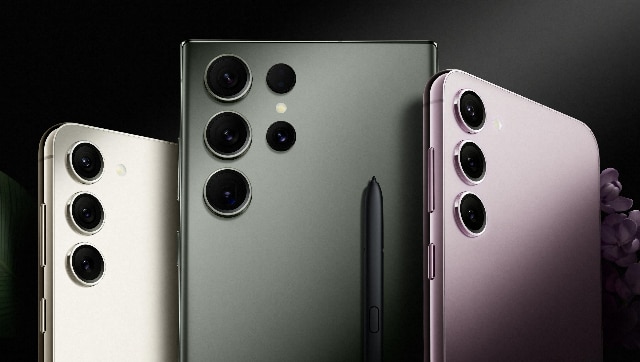
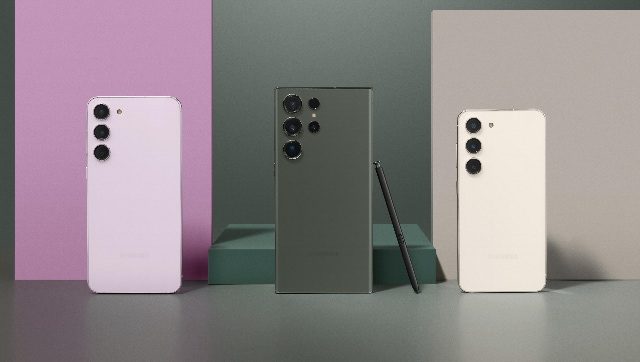
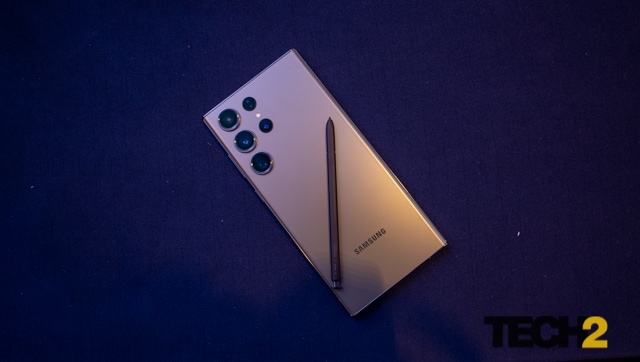
Samsung launched its flagship series for the year 2023 at the Galaxy Unpacked event globally  on Wednesday, and on Thursday in India. The series includes three models, namely the Galaxy S23, Galaxy S23 Plus, and the top of the line Galaxy S23 Ultra. 

Samsung Galaxy S23 Ultra, S23 Plus and S23 launched in India, check price and availability

As noted in our first impressions, the devices don’t look that different from the previous year’s Galaxy S22 series. However, a closer and deeper look reveals that Samsung has revamped the devices in a subtle but significant manner, focusing on its cameras, performance and build.

We take a look at all three phones, what specifications do they carry, and finally what will the Samsung Galaxy S23 Ultra, S23 Plus and S23 cost in India, and if there are any special offers

Samsung Galaxy S23 Ultra: Specifications and Features
The Samsung Galaxy S23 Ultra comes with a 6.8-inch QHD+ Dynamic AMOLED 2X display with support for a 120Hz refresh rate, a 240Hz touch sampling rate in the Gaming mode, Corning Gorilla Glass Victus 2, and Adaptive Vision Booster. You also get a hole-punch cutout at the top of the display that houses the front facing camera.

Powering the Samsung Galaxy S23 Ultra is an overclocked of Qualcomm Snapdragon 8 Gen 2 SoC that has been designed specifically for Samsung, and which has been paired with an Adreno GPU. The device will be available in comes in four variants, with upto 12GB RAM and 1TB storage. The handset boots Android 13-based OneUI 5.1 custom skin out of the box.

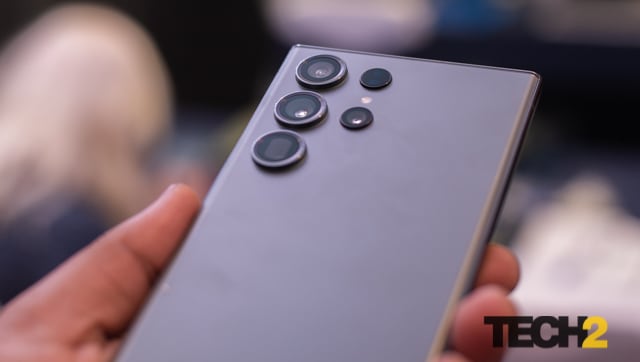
As for the camera, the Galaxy S23 Ultra gets a with quad camera set up at the rear, which is headlined by a 200MP Samsung ISOCELL HP2 sensor with f/1.7 aperture. Additionally, it gets a 12MP ultra-wide camera with f/2.2 aperture, a 10MP telephoto lens with 3x optical zoom, and another 10MP telephoto lens with 10x optical zoom. At the front, there is a 12MP selfie shooter.

The device will ship with Android 13-based OneUI 5.1 custom skin out of the box, and is powered by a 5,000mAh battery which comes with 45W fast charging, wireless PowerShare, and fast wireless charging 2.0. For connectivity, users will have options such as 5G, 4G LTE, Wi-Fi 6E, Bluetooth 5.3, GPS, and a USB Type-C port.

Samsung Galaxy S23 and Galaxy S23 Plus: Specifications and Features
The Samsung Galaxy S23 Plus has a 6.6-inch FHD+ Dynamic AMOLED 2X Display with a 120Hz refresh rate, 240Hz Touch Sampling Rate in gaming mode, and a Vision booster, whereas the youngest sibling of the S23 family, the Galaxy S23, comes with a a 6.1-inch FHD+ Dynamic AMOLED 2X display with a 120Hz refresh rate, Vision booster, and 240Hz Touch Sampling Rate in gaming mode.

Both the devices are powered by the same overclocked Qualcomm Snapdragon 8 Gen 2 SoC and the Adreno GPU that power the S23 Ultra. The chipsets for both the S23 and the S23 Plus have been paired with 8GB RAM and up to 512GB storage. Both the devices, again, run on Android 13-based OneUI 5.1 out of the box.

In terms of optics, both the devices are same. The Galaxy S23 and Galaxy S23 Plus come with a triple camera set up at the rear, headlined by a 50MP primary sensor with an f/1.8 aperture, and OIS, a 12MP sensor, and a 10MP telephoto sensor with 3x optical zoom. There is also a 12MP camera on the front of both of these devices.

As for batteries, the Samsung Galaxy S23 packs a 3,900mAh battery with 25W fast charging, whereas the the Galaxy S23 Plus has a much larger 4,700mAh battery with 45W fast charging. There’s Fast Wireless charging 2.0 and Wireless PowerShare support. For connectivity, bioth the devices support 5G, 4G LTE, Wi-Fi 6E, Bluetooth 5.3, GPS, and come with a USB Type-C port. 

Samsung Galaxy S23 Ultra, S23 Plus and S23 price in India and availability.
All the devices in the Samsung Galaxy S23 series will be offered in four colours, that have a matte finish. These colourways include phantom black, cream, green and lavender. The Galaxy S23 Ultra will be available in four different colours – red, graphite, lime and sky blue, but only on Samsung.com.The devices are already available at Samsung stores, and Samung’s e-commerce partners. 

As for the pricing, the S23 Ultra’s 12GB + 1TB variant will cost Rs 1,54,999, the 12GB + 512GB variant will cost Rs 1,34,999, and finally, the base variant, 12GB + 256GB variant will cost Rs 1,24,999.

The S23 Plus’ 8GB + 512GB variant will cost Rs 1,04,999 while the 8GB + 256GB variant will cost Rs 94,999

As for the vanilla S23, the 8GB + 256GB variant will cost Rs 79,999 while the 8GB + 128GB variant will cost Rs 74,999

Samsung also has a couple of pre-booking offers. Customers pre-booking Galaxy S23 Ultra can get Galaxy Watch4 LTE Classic and Galaxy Buds2 at a special price of INR 4999. Customers pre-booking Galaxy S23+ will get Galaxy Watch4 BT at a special price of INR 4999. Customers pre-booking Galaxy S23 can get a storage upgrade offer worth INR 5000. Additionally, all consumers can avail of a bank cashback worth INR 8000 on online channels. 

Furthermore, customers who pre-book the Galaxy S23 series during Samsung Live on February 2, 2023 will get an additional gift of a wireless charger and travel Adaptor.  Customers pre-booking the Galaxy S23 series during the “Samsung Live” event on February 2 at Samsung’s website’s live offers section will get an additional exclusive gift of a wireless charger & travel adapter.


from Firstpost Tech Latest News https://ift.tt/Ayk4GX3

All Samsung Galaxy S23 devices for Indian customers to be made at India’s Noida plant

In a significant step that highlights India’s manufacturing prowess and why international electronics want to set up their production facilities in India, Samsung has announced that the all of the devices of the Galaxy S23 series offered in India will be produced in Samsung’s Noida plant in India’s Uttar Pradesh. Samsung currently meets the vast majority of domestic demand in India through its local manufacturing plant in Noida.

All Samsung Galaxy S23 devices for Indian customers to be made at India’s Noida plant

The decision by Samsung to sell ‘Made in India’ Galaxy S23 smartphones demonstrates the company’s dedication to India’s manufacturing and growth narrative.

In 2018, Samsung opened the world’s largest mobile factory in Noida, with the goal of making India a worldwide manufacturing base. Prime Minister Narendra Modi inaugurated this plant. 

The Galaxy S23 series smartphones use a tweaked unit of the Snapdragon 8 Gen 2 SoC which has been specially designed for the Galaxy S23 series. The slightly tweaked SoC aims to provide a premium experience with AI-powered, future-ready mobile gaming, and impressively sustained gameplay with the world’s fastest mobile graphics. In addition, the new S23 series has more recyclable materials than any prior Samsung Galaxy smartphone.

The Galaxy S23 series sets the bar for sustainbibility in consumer tech. It uses even more recycled components than the Galaxy S22 series, including pre-consumer recycled aluminium and recycled glass, as well as post-consumer recycled plastics acquired from abandoned fishing nets, water barrels, and polyethylene terephthalate (PET) bottles.

The Galaxy S23 Ultra has Samsung’s most advanced camera technology, which is designed to provide breathtaking detail in virtually any lighting situation. The Galaxy S23 Ultra’s powerful 200MP Adaptive Pixel sensor captures breathtaking moments with incredible accuracy.

Samsung has also emphasised on security and privacy and has therefore included Samsung Knox protection with the Galaxy S23 series, which has acquired more government and industry certifications than any other mobile device, platform, or solution on the market. Knox Vault, which was initially launched on the Galaxy S21 series, safeguards sensitive information on the Galaxy S23 series by separating it from the rest of the device, including the OS, for greater vulnerability protection.


from Firstpost Tech Latest News https://ift.tt/okSJd4f

Samsung Galaxy Book3 Series first impression: More than the hardware, its the ecosystem that impresses

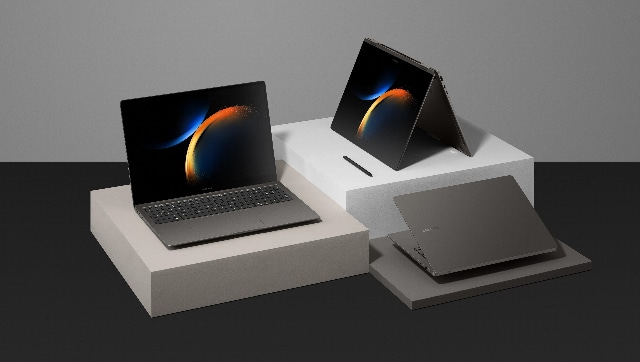
Although the Galaxy S23 series, especially the Galaxy S23 Ultra, was at the centre of everyone’s attention at the launch, Samsung also launched their new Galaxy Book3 series, their ultra-portable thin and light notebooks. The series includes three thin and lights, the Galaxy Book3 Ultra, the Galaxy Book3 Pro 360, and the Galaxy Book3 Pro.

Samsung Galaxy Book3 Series first impression_ More than the hardware, its the ecosystem that impresses

Specifications and hardware wide, they are everything that a thin and light note should be – a combination of stellar-looking design with the best hardware that is on the market right now. 

The notebooks are powered by Intel’s 13th Gen H-series processors and come with Intel’s Evo badging. The Galaxy Book3 Ultra, for example, is available with either an Intel 13th Gen i9 or an i7 CP, up to 32GB of LPDDR5 RAM and either an RTX 4070 or an RTX 4050 Laptop GPU, depending on how you spec it out.

Similarly, the other laptops get the best Intel 13th Gen i7 or i5 CPU with Intel Xe Graphics and up to 32GB of LPDDR5 RAM. All four devices get the best of PCIe storage of up to 1TB and you get a quad-speaker setup, tuned by AKG, that supports Dolby. Basically, you get all the bells and whistles that you would hope a top-tier laptop to have in 2023.

What sets the Galaxy Book3 series apart, is the suite of customisations, and features that Samsung has built into the laptop. Samsung wants to create an ecosystem of its own and boy, are they working hard on it.

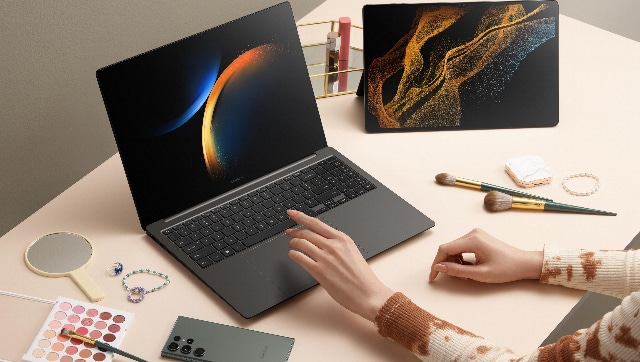
Firstly, there’s Samsung’s Multi Control feature. Basically, this lets you type and control all your Samsung personal devices, like a smartphone or a tablet using the trackpad and the keyboard on your Galaxy Book3. Basically, you can reply to your messages, emails, and IM messages that you have received on your phone, using your laptop. Not just that you can also “share” stuff such as text and images between your devices, by simply copying it on one device, and pasting it somewhere else, using a completely different device.

Then there is Samsung’s own way to implement something as basic as a mobile hotspot. With Samsung’s Phone Link, you turn on the hotspot of your mobile device and connect it to your Galaxy Book3, all in just one click – no other step is required to set the system up. The best feature of Samsung’s Phone Link, however, is that it lets you continue browsing the internet from the same web page, even when you move between devices. For example, suppose you are reading a Wikipedia entry on your phone about something really quirky as you make your way up your apartment towards your home. You then sit down to start working on your laptop. Now, instead of having to look that Wikipedia entry up again, you can simply continue on your laptop.

Samsung Galaxy Book3 Series first impression_ More than the hardware, its the ecosystem that impresses (1)

Finally, there’s expert RAW auto share, a feature that will prove to be a boon for content creators, especially photographers. Now, users will be able to transfer RAW files from their Galaxy devices to their Galaxy Book3. What’s more is that users can then directly proceed to edit the images on their favourite software, straight away, without having to wait.

There are a bunch of other features and neat little tricks as well, that just work seamlessly between Samsung’s different personal devices. For example, you can share and extend your screen with other Galaxy devices, wireless, which allows you to use your Galaxy Tab as an additional display. 

Samsung has realised that what users want, is a seamless experience between multiple devices, and this is evident with what they have done with the Galaxy Book3 series. It will be interesting to see what other inter-device features they will be bringing next.


from Firstpost Tech Latest News https://ift.tt/0pTb7zm

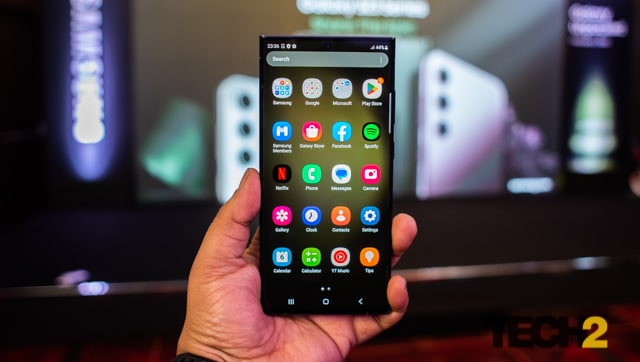
Samsung Galaxy S23 Ultra first impressions: Familiar, and yet worlds apart

The launch of the Samsung Galaxy S23 series is a major event not just for Samsung, but the entire smartphone industry. Tech experts are usually divided on whether the introduction of the Galaxy Z Fold and the Galaxy Z Flip series, has meant that the Galaxy S series is no longer their flagship device. However, even they have to agree that the Galaxy S series, year after year sets the tone, and more often than not, the bar, against which flagships from all other manufacturers will be compared to.

Samsung Galaxy S23 Ultra first impressions Familiar, and yet worlds apart (1)

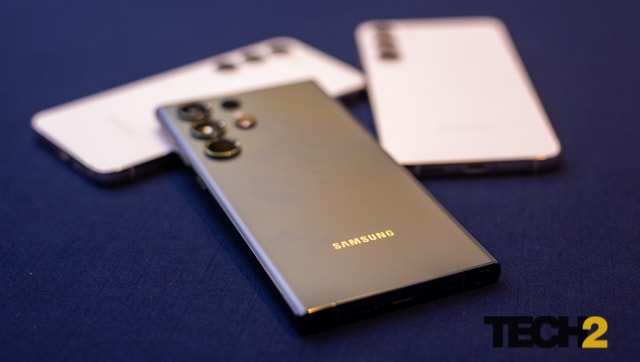
The S23 devices this year, looks identical to the S22 devices from the previous year. In fact, the Galaxy S23 Ultra, the true flagship from Samsung this year, looks and feels almost exactly the same as last year’s S22 Ultra. 

Look a bit closer though, and you’ll see that its a classic case of new wine in an old bottle. The S23 Ultra is not just a device that has been given an annual spec-refresh – it is so much more than that, especially in three key elements. Two of these three elements are benchmarks of what a flagship device ought to be. The third is an element, which we hope becomes an everlasting trend. 

Unrivalled Camera
Say what you will, but it is very difficult to argue with the fact that the Galaxy S series has arguably the best smartphone camera across all budgets. The S23 Ultra gets the best possible sensor for its main camera, the 200MP ISOCELL HP2 sensor, that Samsung makes itself. While a 200MP sensor to take photos and videos seem impressive, what is actually bewildering is how Samsung has used these many pixels to enhance and sharpen the experience of taking photos and videos.

Samsung Galaxy S23 Ultra first impressions Familiar, and yet worlds apart (6)

For example, the main camera supports Super Quad Pixel Autofocus, which basically means it uses all the pixels in the sensor to focus on a subject. Smartphone cameras usually don’t do that. As a result, subject tracking is sensational on the S23 Ultra. Moreover, the autofocus feels much more faster than any other smartphone we have tried so far.

Apart from the main 200MP sensor, you also get an ultra-wide system with a 12MP sensor, a 10X telephoto system with a 10MP sensor, and a 3X telephoto system with a 10MP sensor. 

On the front, you have a 12MP unit, that for the first time ever, has HDR, along with Dual Pixel autofocus. And of course, you have portrait mode on the front-facing camera as well.

Samsung Galaxy S23 Ultra first impressions Familiar, and yet worlds apart (8)

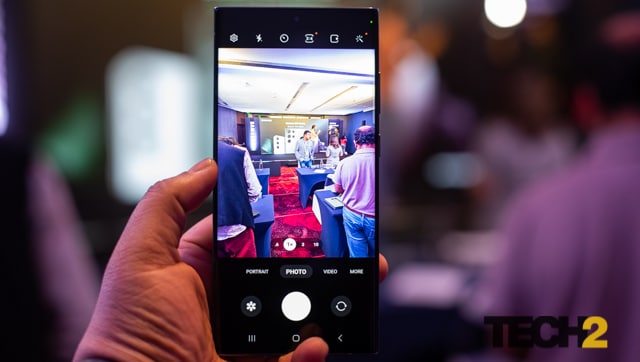
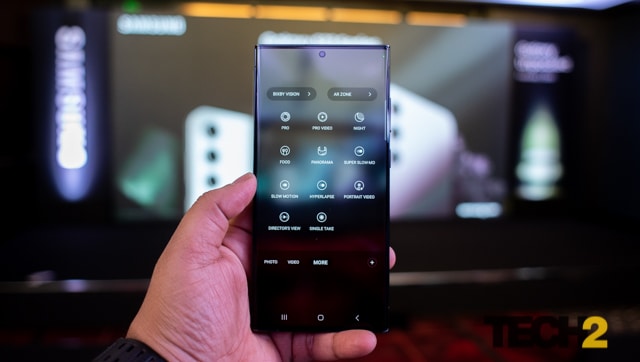
All of this hardware has allowed Samsung to experiment on software as well. The S23 Ultra gets a bunch of photography modes, but what really caught our eye, was the addition of Astro and Multiple Exposure mode. This is stuff that usually, you need a proper DSLR or a mirrorless camera from, and then too you will have to spend a bunch of time in some post-processing software like Lightroom or Photoshop to get the best results. Needless to say, this is a feature that we are eagerly waiting to test out.

Samsung Galaxy S23 Ultra first impressions Familiar, and yet worlds apart (4)

Furthermore, Samsung has also scaled up its OIS, and doubled it. That along with their Enhanced Noise control, means that photography and filmmaking in the dark, shouldn’t be a challenge anymore.

Unbridled Performance
Samsung says that with the S23 Ultra, they have a renewed focus on gaming. In fact they say that the S23 Ultra will provide users the ultimate gaming performance. Now that is a tall claim, but at least on paper, it seems that they have done everything they could to stand true to their claims.

First and foremost is the SoC. The Snapdragon 8 Gen 2 chipset is a rather capable SoC and performs very well in managing even the most demanding of tasks. Samsung, however, went on step further. In the S23 Ultra series, Samsung is using a variant of the Snapdragon 8 Gen 2 that has been specifically designed and tweaked for them.

Samsung Galaxy S23 Ultra first impressions Familiar, and yet worlds apart (5)

The new SoC brings a 34 per cent increase in CPU performance, a 41 per cent increase in GPU performance, and a staggering 49 per cent increase in Neural processing over the outgoing S22 Ultra. 

Furthermore, for the first time ever, we have Ray-Tracing on a smartphone. Samsung were actually very serious when they claimed that they want to take smartphone gaming as close to PC and console gaming, and they surely have tried. Again, this is a feature that we would love to test out thoroughly, provided a game publisher actually releases a game that has Ray Tracing enabled for a smartphone.

There are other enhancements as well. To ensure that the S23 Ultra delivers a reliable gaming performance consistently, Samsung has fitted the device with a vapour cooling chamber that is about 2.7 times larger than that of the S22 Ultra.

The S23 Ultra also gets a ton of software features that helps it perform better. You get AI-powered Adaptive performance that ensures that you get all that the Snapdragon SoC has to offer, and ensure a smooth and stable experience when playing hardcore and demanding games. 

You also get a ton of additional features that help you get the best out of your battery life. There’s the AI-Powered Adaptive Performance feature as well as Video Streaming Optimisation. What this basically does is that consuming content or videos on Google, YouTube, Insta and Facebook draws less power, which can boost battery life by upto 30 per cent.

Samsung Galaxy S23 Ultra first impressions Familiar, and yet worlds apart (7)

A touch of sustainability
This is where we feel we have to give Samsung some major props. Understanding why sustainability is important, and the need to recycle as much of our resources as we can, the entire exterior of the S23 Ultra, as well as the S23 and the S23 Plus, have been made using recycled materials, such as recycled aluminium, recycled glass and recycled PET. Even the S23 Ultra’s display, which is protected by Gorilla Glass Victus 2, uses recycled glass.

Everything else…
Everything else about the S23 Ultra and its siblings, the S23 and the S23 Plus, are what befits a flagship series in 2023. 

Samsung Galaxy S23 Ultra first impressions Familiar, and yet worlds apart (9)

The S23 Ultra comes with a 6.8-inch AMOLED display that supports a refresh rate 120Hz. In comparison, the S23 comes with a 6.1-inch 120Hz AMOLED display, and the S23 Plus has a 6.6-inch 120Hz AMOLED.

As for the battery, the S23 Ultra comes with a 5000 mAh unit, the S23 Plus is equipped with a 4700 mAh unit, and the S23 comes with a 3700 mAh unit. Barring the S23, all the devices support Samsung’s Super Fast Charging 2.0. 

We have already seen the cameras that the S23 Ultra gets. The S23 and The S23 Plus, both come with a 50MP main sensor, a 3X telephoto system with a 10MP sensor, and an ultrawide system with a 12MP sensor. Both devices get a 12MP front-facing camera.


from Firstpost Tech Latest News https://ift.tt/VDdxIYH

Navigating the World of Crypto: Exploring the Potential of Crypto4u

 In recent years, the world of cryptocurrency has undergone a seismic shift, evolving from a niche interest among tech enthusiasts to a glob...