Bitcoin difficulty ribbon compression has broken out of a bear trend it has been in since the March coronavirus crash.
from Cointelegraph.com News https://ift.tt/3l9wi9Z

I am introducing cryptography. Cryptography is used to secure and protect data during communication. Encryption is a process which transforms the original information into an unrecognizable form. Decryption is a process of converting encoded/encrypted data in a form that is readable and understood by a human or a computer.
Bitcoin difficulty ribbon compression has broken out of a bear trend it has been in since the March coronavirus crash.
Astrosat, India's first multi-wavelength astronomical observatory, on Monday completed five years of imaging celestial objects in space.
Launched by the Indian Space Research Organisation (ISRO) on 28 September 2015, in the five years of its operation Astrosat has achieved quite a feat.
It has carried out 1,166 observations of 800 unique celestial sources proposed by scientists both from India and abroad, a statement by the Department of Science and Technology (DST) said.
Astrosat has explored stars, star clusters, mapping of large and small satellite galaxies of the Milky Way called 'Magellanic Clouds', an energetic phenomenon in the Universe such as the ultra-violet counterparts to gamma-ray bursts, supernovae, active galactic nuclei.

"Its superior spatial resolution capability has enabled astronomers to probe star formation in galaxies as well as resolve the cores of star clusters (three times better than the last NASA mission, GALEX)," the statement said.
"Observations from UVIT has recently led to the discovery of a galaxy located at a distance of about 10 billion light-years from Earth and emitting extreme ultraviolet radiation that can ionize the intergalactic medium," it said.
Astrosat has proved to be an important satellite capable of carrying out simultaneous observations over a range of wavelengths from the far ultraviolet to the hard X-ray band.
The Ultra-Violet Imaging Telescope, or the UVIT, is a remarkable 3-in-1 imaging telescope simultaneously observing the visible, the near-ultraviolet (NUV), and the far-ultraviolet (FUV) spectrum.
It is one of the five payloads on board AstroSat.
Weighing a total of of 230 kilograms, the UVIT comprises two separate telescopes.
One of them works in the visible (320-550 nm) and the NUV (200-300 nm).
The second works only in the FUV (130-180 nm).
The UVIT project was led by the Indian Institute of Astrophysics (IIA), an institute of the DST in collaboration with the Inter University Centre for Astronomy and Astrophysics, Pune, the Tata Institute of Fundamental Research, Mumbai, several centres of ISRO and the Canadian Space Agency.
"The Ultra-Violet Imaging Telescope, which is a marvellous piece of engineering, is a testimony to the power of several scientific agencies working together in multidisciplinary mode with a shared purpose," said Ashutosh Sharma, secretary, DST.
Mercedes-Benz India has confirmed the launch date of one its most anticipated SUVs, the EQC. The company's first-ever electric SUV is being brought to the country through the CBU route. Sharing its underpinnings with the GLC SUV, the EQC will be offered only in the EQC 400 variant. In terms of design, the front and rear fascias though are completely new and do a good job of being relatable to the standard Merceded range, while establishing the EQC as its own thing.
The front gets an EQ-specific grille with illuminated Mercedes badging with LED strip connecting the new headlights. This design element is carried over to the rear as well, with the slim tail lamps also being similarly connected. This design element is expected to be an EQ-brand signature. A more aggressive AMG-line design package is also available.

The interior also follows a more sleek and futuristic adaption of traditional Mercedes design cues. The MBUX infotainment system with the two 10.3-inch screens dominates the interior with its many features and voice-activated functions. Other touches which distinguish this car are new AC-vents and rose-gold cabin accents.
The EQC is powered by two electric motors mounted on each axle which gives it all-wheel drive capabilities. This set up combines to put out 407PS and 765 Nm. The two motors are not identical, the one in front is tuned towards efficiency while the latter is tuned towards spirited driving. Power comes from an 80 kWh battery which can get from 10 to 80 per cent charge in 40 minutes with a fast charger. The launch variant, the EQC 400, will get from 0 to 100 in 5.1s and onto a top speed of 180 kmph. Mercedes claims a range of 320 km for the EQC, which is some way off than that of rivals like the Jaguar I-Pace and the Tesla Model X both of which can go up to 380 km on a full charge.
Mahindra and Mahindra will be launching the new-gen 2020 Thar on 2 October 2020. The company will also commence accepting bookings for both the hardtop and the soft top version from the same date. The iconic SUV in its new-gen avatar will be offered in both petrol and diesel engines and will also get an optional automatic transmission, all of which will be the first on the Thar that receives a serious makeover since the time it was first launched. Here's our detailed first-drive review.

The diesel engine is a reworked version of the 2.2-litre mHawk four-cylinder turbo unit that is also seen on the XUV500. Improvements in the switch to BSVI regulations have made the motor more driveable now, claims Mahindra. The motor puts out 130PS at 3750 rpm and 300 Nm of torque between 1600 to 2800 rpm, but Mahindra says that 95 percent of the engine's torque will be available from 1,250 rpm. In the petrol model, the all-aluminium engine makes 150PS at 5000 rpm and 320 Nm between 1500 to 3000 rpm when mated to the also-new automatic transmission.
This all-aluminium DOHC engine features a fully variable displacement oil pump, DLC coated piston pin and an exhaust manifold integrated into the cylinder head for improved efficiency and performance. Another significant new addition to widen the Thar's appeal is a six-speed torque convertor automatic sourced from Aisin. This unit is mounted longitudinally and pairs with both, the petrol as well as the diesel.
The new Thar continues with its Jeep-inspired design theme and two-door body style, although it now sits on a derivative of the Mahindra Gen 3 platform. This is what underpins the Scorpio, but for the Thar it has been widened for more interior space and off-road capability. The simple retro-themed body panels remain, although Mahindra has raised the bonnet line in keeping with latest pedestrian safety norms and the doors are now removable. The Thar comes with LED DRLs and taillamps, dual-tone bumpers and three roof options.
Fourteen scientists were announced winners of the prestigious Shanti Swarup Bhatnagar Award – the country's highest science prize. The awardees were announced by the Union science and technology minister Dr Harsh Vardhan at the Foundation Day celebration of the Council for Scientific and Industrial Research (CSIR) on Saturday, 26 September.
The SSB prizes are awarded to Indian scientists below 45 years of age for conduction outstanding research in one of seven disciplines. The prize – which includes a citation, a plaque, and a cash award of ₹5,00,000 lakh – is awarded annually to recognise outstanding research accomplishmnets in applied or fundamental areas in the following disciplines:
In addition to the recognition and cash prize, CSIR will also grant the winners with an honorarium of Rs.15,000 per month.
The Prize is bestowed on a person who, in the opinion of CSIR, has made conspicuously important and outstanding contributions to human knowledge and progress – fundamental and applied – in the particular field of endeavour, which is his/her specialization.

Dr Subhadeep Chatterjee from the Centre for DNA Fingerprinting and Diagnostics in Hyderabad was one of two winners of the SSB award for Biology.
Dr Chatterjee was chosen for identifying a reversible, non-genetic process that bacterial cells use to regulate their population, with a process known as quorum sensing (QS). The discovery has served as a landmark contribution since its publication, inspiring further interesting areas of work in theoretical modelling of QS in bacteria.
His research has since helped better understand a family of economically-significant plant pathogens (Xanthomonas). Discoveries made though Dr Chatterjee’s research have also thrown light on fundamental systems that bacteria use for social communication, how bacteria metabolise iron, and other kinds of regulation in bacteria. His contributions in understanding basic quorum sensing mechanisms in Xanthomonas, the coordination of cell systems and signals from the environmental (e.g. iron) have been particularly pronounced.
Dr Vatsala Thirumalai from the National Centre for Biological Sciences shared the SSB award for Biology with Dr Chatterjee. Dr Thirumalai heads the Neural Circuits and Development Lab at NCBS, which works on understanding the hierarchy, mechanisms, and development of neural circuits that generate movement. They use an interesting model system to study how movement is generated – zebrafish, a small fresh water tropical fish.
The embryo and larvae of zebrafish are transparent, making it easy for researchers to observe its internal organs – and importantly for Dr Thirumalai, the brain.
Her research has made leaps in understanding how the central pattern generators and descending motor control from the brain develop in zebrafish. She is further looking to study the workings of the brain's circuits that control movement in adult zebrafish.
Dr Jyotirmayee Dash from the Indian Association for the Cultivation of Science in Kolkata shared the SSB award for Chemistry with Subi Jacob George from the Jawaharlal Nehru Centre for Advanced Scientific Research, Bengaluru.
Dr Jyotirmayee Dash, an assistant professor and researcher in chemical biology and organic synthesis at the Indian Association for the Cultivation of Science, is also an awardee of the prestigious Alexander von Humboldt fellowship and the Marie Curie fellowship. She was the only woman to be nominated alongside 11 of her peers for the Swarnajayanti Fellowship in 2015-16, which she ultimately won. Dr Dash is also the first Odia woman to be awarded.
Among others, Dash's research focus has largely been cancer. Her most significant contributions to research have been in chemical biology, to better understand nucleic acid (DNA/RNA) targets for cancer. The findings have led to new molecules and structures to target, in anticancer research, in the hunt for effective, potential anticancer therapies.
The other awardee for Chemistry, Prof Subi George, is an associate chair and researcher in organic chemistry at the Jawaharlal Nehru Centre for Advanced Scientific Research, Bengaluru. Known for his work in the fields of supramolecular chemistry, materials chemistry and polymer chemistry, George's research spans both organic as well as inorganic and material chemistry.
His exceptional contribution to the field includes a proof-of-concept study that successfully recreated the growth and organisation of a polymer with molecular cues that could be controlled by his research team. They acheived "critical control over its length and dispersity" in the process, which is a pathbreaking advancement in supramolecular polymerisation. Living systems have been the inspiration for much of supramolecular research so far.
Abhijit Mukherjee from the Indian Institute of Technology, Kharagpur is one of the awardees for the SSB prize in Earth, Atmosphere, Ocean and Planetary Sciences. Nominated for his work in groundwater exploration for suitable and sustainable drinking water sources across India, Mukherjee is currently working on a project on using AI in predicting groundwater availability in different parts of India.
Mukherjee was the first to develop a model for regional groundwater flow in the western Bengal basin and explored arsenic-safe aquifers in extensive parts of the Gangetic plains and delta. These are two areas in particular that suffer from poor groundwater quality and/or groundwater insufficiency.
Suryendu Dutta from IIT, Bombay also bagged the SSB prize in Earth, Atmosphere, Ocean and Planetary Sciences, for his contributions in the fields of organic geochemistry and molecular palaeobiology. His innovation was in plant-derived organic chemicals (specifically, terpenoids) – an important source of liquid hydrocarbons in India's petroliferous basins. The evolution of plants in these fuel exploration sites is poorly documented in the subcontinent.
Dutta has studied the evolution of plant terpenoids from Permian to Eocene (~300 million to 34 million years ago) on the Indian continent. The terpenoid signatures that Dutta and his team have studied suggest that western India was once covered by dense, closed rainforests – where rainforest trees in the Dipterocarpaceae family thrived in the subcontinent's tropical climate.
Dr Amol Arvindrao Kulkarni from the CSIR's National Chemical Laboratory in Pune was among the awardees of the SSB prize for his contributions to the field of engineering. He specialises in the design and development of microreactors for production of pharmaceutical intermediates, dyes, chemicals in perfumery as well as nanomaterials. The various flow reactors he has designed have transformed complex, batch processes into a continuous processes that are at least two orders of magnitude more energy/resource-efficient. Dr Kulkarni's designed several flow reactors that are licensed to Indian industries
Dr Kulkarni has also established a first-of-its-kind microreactor laboratory in India, and developed the first-ever scalable continuous process for silver nanowires.
Dr Kinshuk Dasgupta from the Bhabha Atomic Research Centre, Mumbai shared the SSB Award for engineering with Dr Kulkarni.
Dr Dasgupta's work is primarily centres around carbon nanomaterials, their synthesis and potential uses. His technology has been used in the "Bhaba Kavach" – a bulletproof jacket used by the Indian Armed Forces. The jacket has an armour panel that protects against bullets of various threat levels. A special process designed by Dr Dasgupta developed is used to make the armored panels, using boron carbide ceramics hot-pressed with carbon nano-tubes and a polymer to give it flexibility. The superior performance of the lightweight 'Bhabha Kavich' jacket comes from the indigenously-developed mix of components by Dr Dasgupta at BARC.
"Earlier, bullet proof jackets had to be imported. They were expensive and heavy. But now these jackets will be lighter, less expensive and perfect substitutes for those imported jackets as well," Dr Dasgupta told the Bengal Story in an interview.
Dr Anandavardhanan was awarded the SSB prize in mathematics for his research in number theory.
"I work in an area where one investigates certain algebraic structures called ‘groups’ with a view towards number theory, called the Langlands programme," Anandavardhanan told the Times News Network.
"It was Chandrasekharan sir, my math teacher at the Government Arts and Science College in Kozhikode, who channelled me to the world of mathematics," he added.
An IIT-B professor since 2005, Anandhavardhanan's research has been focussed on automorphic forms (an important, complex analytic tool in number theory and arithmetic geometry) as well as representation theory (seeks to understand all the possible ways that an abstract collection of symmetries can arise).
Rajat Subhra Hazra from the Indian Statistical Institute, Kolkata is the other SSB awardee in the mathematical science category. Dr Hazra's most recent research in probability theory is a study of the mathematical limits of semiflexible polymers.
Dr Hazra is currently Associate Professor in the Theoretical Statistics and Mathematics Unit at ISI, Kolkata.
Dr Bushra Ateeq, currently Associate Professor at the Indian Institute of Technology, Kanpur, shared the SSB award in medicine with Dr Ritesh Agarwal from the Postgraduate Institute of Medical Education and Research, Chandigarh.
An alumnus of Aligarh Muslim University (AMU), Dr Ateeq's research focuses on cancer biomarkers and the chaimn of events at the molecular scale that result in prostate and breast cancer. Her research group at IIT Kanpur is exploring the genetic and epigenetic changes that trigger cancerous growth and progression of the disease using novel strategies and approaches.
With her research, Dr Ateeq's overarching goal is to aide in the discovery and development of more effective therapies against specific causative pathways or alterations in prostate and breast cancer. Cancer has numerous likely causes that, and ultimately affects the cell's pattern of expression of genes, resulting in cancer. Ateeq's group is exploring the complex landscape of mutations in Indian prostate cancer patients. This analysis could be helpful in also understanding other diseases better.
Dr Ritesh Agarwal, Professor of Pulmonary Medicine at PGIMER, was also awarded in the medical science category for his contributions in understanding a fungal infection called allergic bronchopulmonary aspergillosis (ABPA) – his key area of research. Dr Agarwal has been systematically exploring the perplexing disease over a decade, with over 90 publications to show for the epidemiology, diagnosis, management of ABPA – many of them being first-time descriptions.
Over the last few years, Agarwal has managed to validate many existing diagnostic tools and classification criteria to diagnosis and classify ABPA. These are now used to diagnose ABPA around the world.
The most significant work of Dr Agarwal is in the treatment of ABPA. Before his research, there was no dosing protocol for oral glucocorticoids. His research has shown that lower doses of oral steroids are sufficient in the treatment of ABPA. Moreover, two of his studies demonstrating the efficacy of antifungal drugs are practice-changing, as patients can now be spared of the serious adverse effects of glucocorticoids.
Dr Rajesh Ganapathy from the International Centre for Materials Science (ICMS) at Jawaharlal Nehru Centre for Advanced Scientific Research shared the SSB award for physical sciences with Surajit Dhara, from the University of Hyderabad.
Dr Ganapathy's research focuses on soft condensed matter physics. His recent research has been largely around the glass–liquid transition – a gradual, reversible transition of amorphous material from a hard and brittle (glassy) state to a viscous/rubbery state when heated. The glass-liquid transition is among the most enduring challenges in modern condensed matter physics.
Dr Ganapathy was also part of a team that designed crystalline material that could selectively scatter certain colours of light and not others. This was done using colloidal particles, to produce 'structured colours'. Creating crystals that can scatter light in the red, green and blue wavelengths, structural colours could be rolled in as a replacement for conventional LED and LCD monitors.
Surajit Dhara shared the award for his contributions to colloidal physics in the last five years. Dhara has studied and made outstanding contributions in emerging areas of liquid crystal science and technology. Highlights of his research work include the development of colloids and liquid crystals with tunable interaction, movement and controlled assembly, and the development of liquid crystal droplets using tunable microresonators and microlasers.
The much-awaited Apple iPhone 12 launch event date has once again tipped to be in October. According to the latest tweet by YouTuber Jon Prosser, Apple is expected to unveil iPhone 12 models including iPhone 12 Mini, iPhone 12, iPhone 12 Pro, and iPhone 12 Pro Max on 13 October. The YouTuber also confirmed some of the key specifications of the upcoming iPhone 12 series. As per Prosser, iPhone 12 Mini will sport a 5.4-inch display and will come with 64 GB storage for the entry-level model. The device will also be available in 128 GB and 256 GB storage options.

Prosser said that the iPhone 12 will feature 6.1-inch display and have 64 GB, 128 GB and 256 GB storage options.
"Apple's first shipment of final iPhone 12 units is going out to distributors on 5 October," Processor said.
Don’t worry — iPhone 12 Pro and Pro Max start at 128GB
— Jon Prosser (@jon_prosser) September 29, 2020
In another tweet, the YouTuber said that the iPhone 12 Pro and iPhone 12 Pro Max storage configuration will begin from 128 GB. In another tweet, the tipster said that the shipments going out include iPhone 12 and iPhone mini. The iPhone Pro models are still late.
The shipments going out include 12 and 12 mini. Soooo, safe to assume the Pro models are still late — Jon Prosser (@jon_prosser) September 29, 2020
He also said that iPhone 12 Mini will sport two cameras on the rear and will OLED display.
2 cams OLED — Jon Prosser (@jon_prosser) September 29, 2020
Generally, Apple launches its new iPhone models in the month of September, it has, however, delayed the launch this year.
Earlier in August, Prosser posted a few pictures of the charger of the upcoming iPhone 12 series and said it will come with a 20W power adapter. He also said that Pro models are expected to sport either a 6.1-inch screen or a 6.7-inch screen.
The iPhone 12 is expected to sport an all-new Super Retina XDR display and will be powered by the Apple A14 Bionic chip. The models in the series will come with 120Hz ProMotion technology and 10-bit colour depth.
iPhone 12 Pro will have a quad-camera setup at the back and it will be equipped with 5G support.
Currently, iPhone 11 Pro, with a 5.8-inch screen, is the smallest Apple flagship. With the launch of the 5.4-inch model, the iPhone 12 Mini will be the smallest of the lot.
According to analyst Ming-Chi Kuo the purported iPhone Mini will feature a narrow notch area. The other three iPhone 12 models are expected to have the same notch size as iPhone 11 models.

PSG players Neymar and Kylian Mbappé, as well as club veterans like David Beckham, will be issued as collectible digital player cards on blockchain platform Sorare.
Xiaomi launched its first smartwatch, Mi Watch Revolve and smart speakers, Mi Smart Speaker at the Smarter Living 2021 event held today in India. The Mi Watch Revolve comes with a circular AMOLED colour display that can last up to 14 days on a single charge. In addition to these, the company has also launched the much-awaited successor of Mi Band 4 (Review) called Mi Smart Band 5. The new fitness band comes with stress monitor, AMOLED display and 11 workout modes.
Mi Watch Revolve comes at a price of Rs 10,999. As a part of the launch offer, if you buy it before Diwali, you can get it at Rs 9,999. It will go on sale on 6 October on Mi.com, Amazon and Mi Home.

Mi Band 5 is priced at Rs 2,499. It will be available for purchase on 1 October on Mi.com, Amazon and Mi Home Store
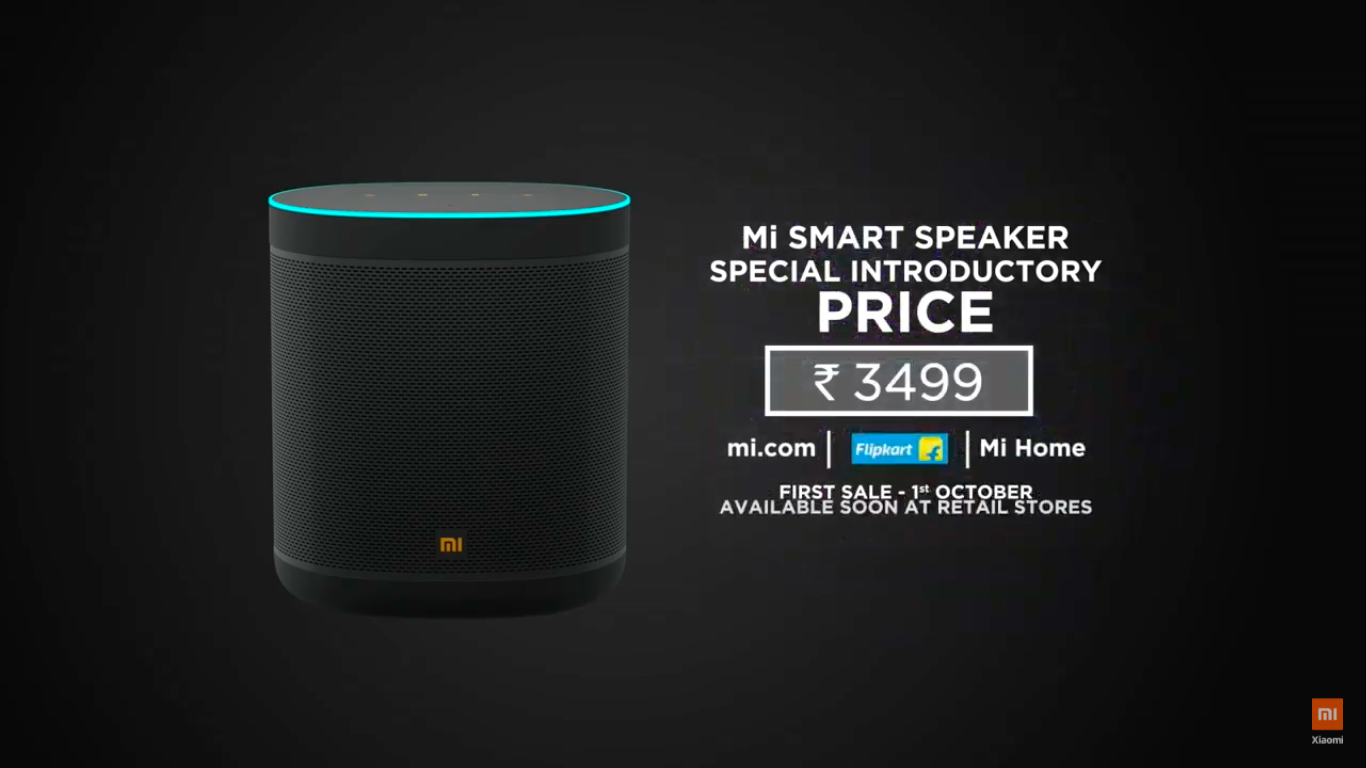
The Mi Smart Speaker comes will cost you Rs 3,999 but will temporarily sell for Rs 3,499. It will be available for purchase on 1 October on Flipkart and Mi.com. On the purchase of Mi Smart Speakers, customers will also get a free annual subscription of the Gaana app.
Here's the all-new #MiSmartSpeaker:
Sound never sounded this smart.- Powerful 12W Speaker with 63.5mm Massive Driver
- Google Assistant built-inSpecial Introductory Price - ₹3,499.
First sale on Oct 1st at 12PM on https://t.co/D3b3QtmvaT, @Flipkart, and Mi Home stores. pic.twitter.com/WIdLwSYFcT
— Mi India #SmarterLiving2021 (@XiaomiIndia) September 29, 2020
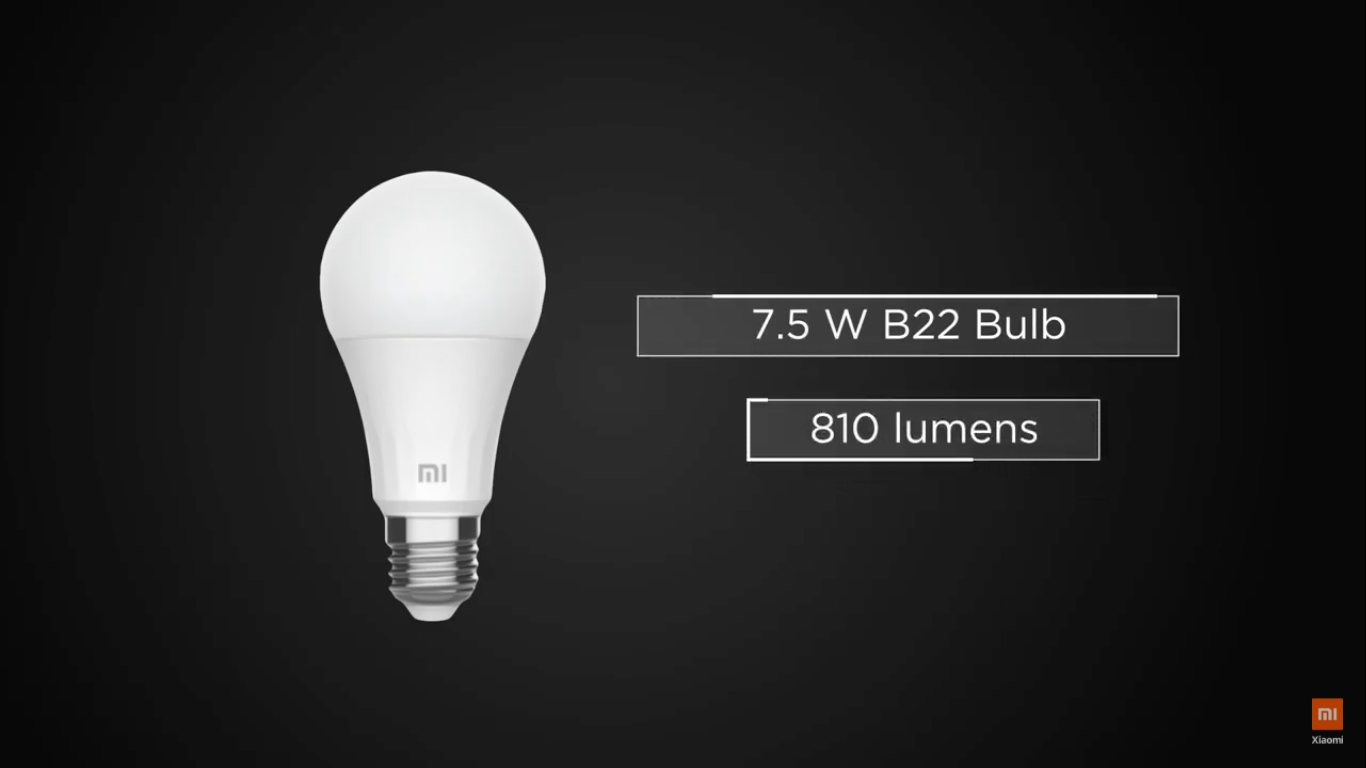
The Mi Smart LED Bulb will be available starting today on mi.com and is priced at Rs 499. Xiaomi's Mi Automatic Soap Dispenser is priced at Rs 999 and comes with a free liquid soap pouch. It will be available starting today.
The Mi Athleisure Shoes are priced at Rs 1,499, and will be available for purchase on mi.com and Amazon starting today.
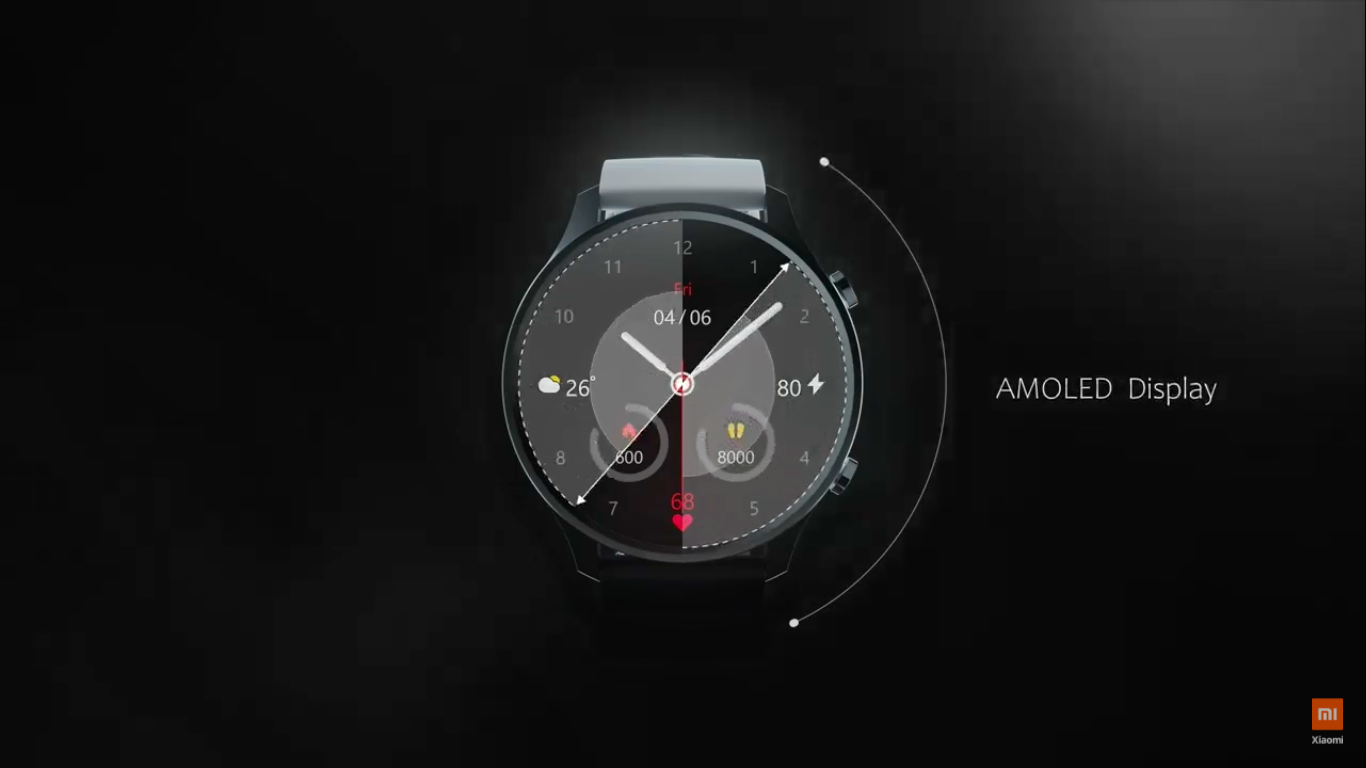
The smartwatch features a 1.39-inch AMOLED display that comes with Gorilla Glass 3 for protection. The display of the watch offers up to 450 nits brightness. It also comes with a smart Always-on display feature. It comes in a black and silver colour variants and offers detachable straps and Xiaomi will also offer choices of a bunch of straps for the Mi Watch Revolve.

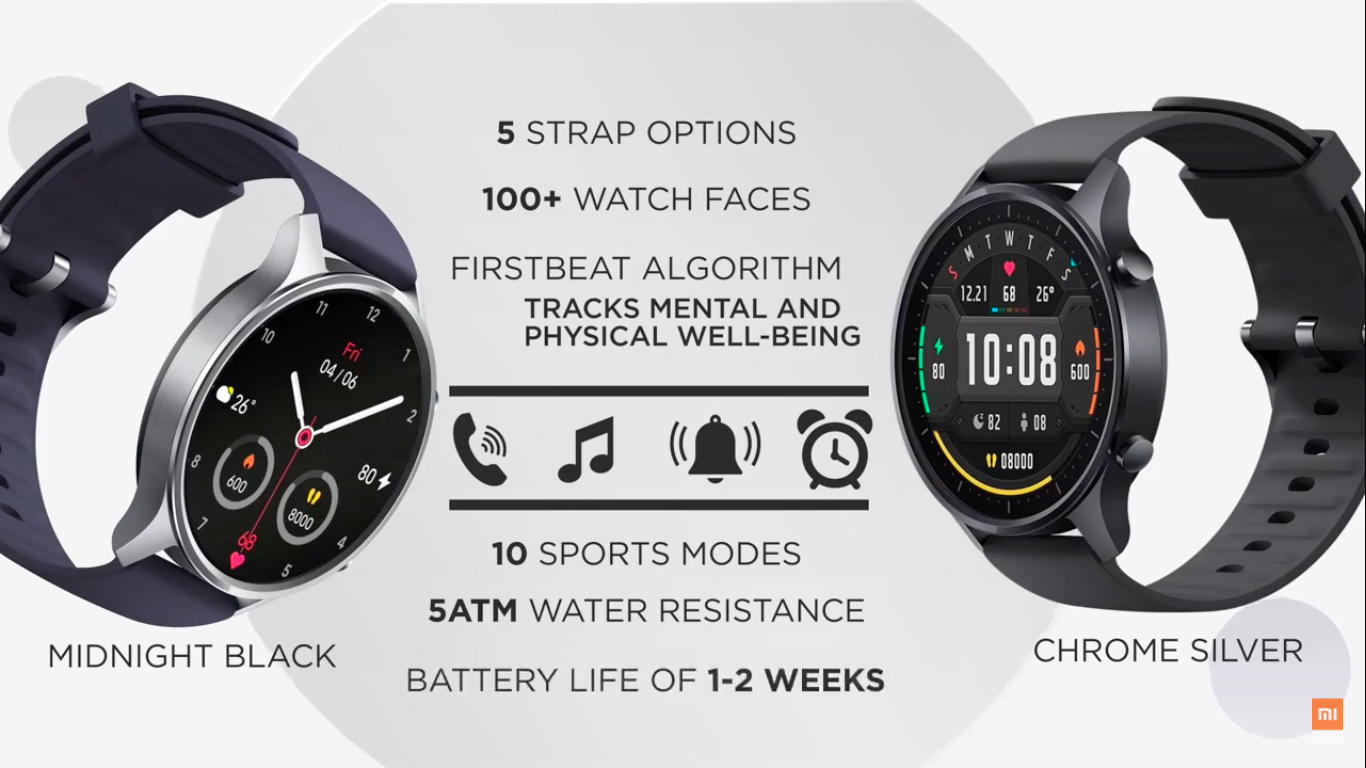
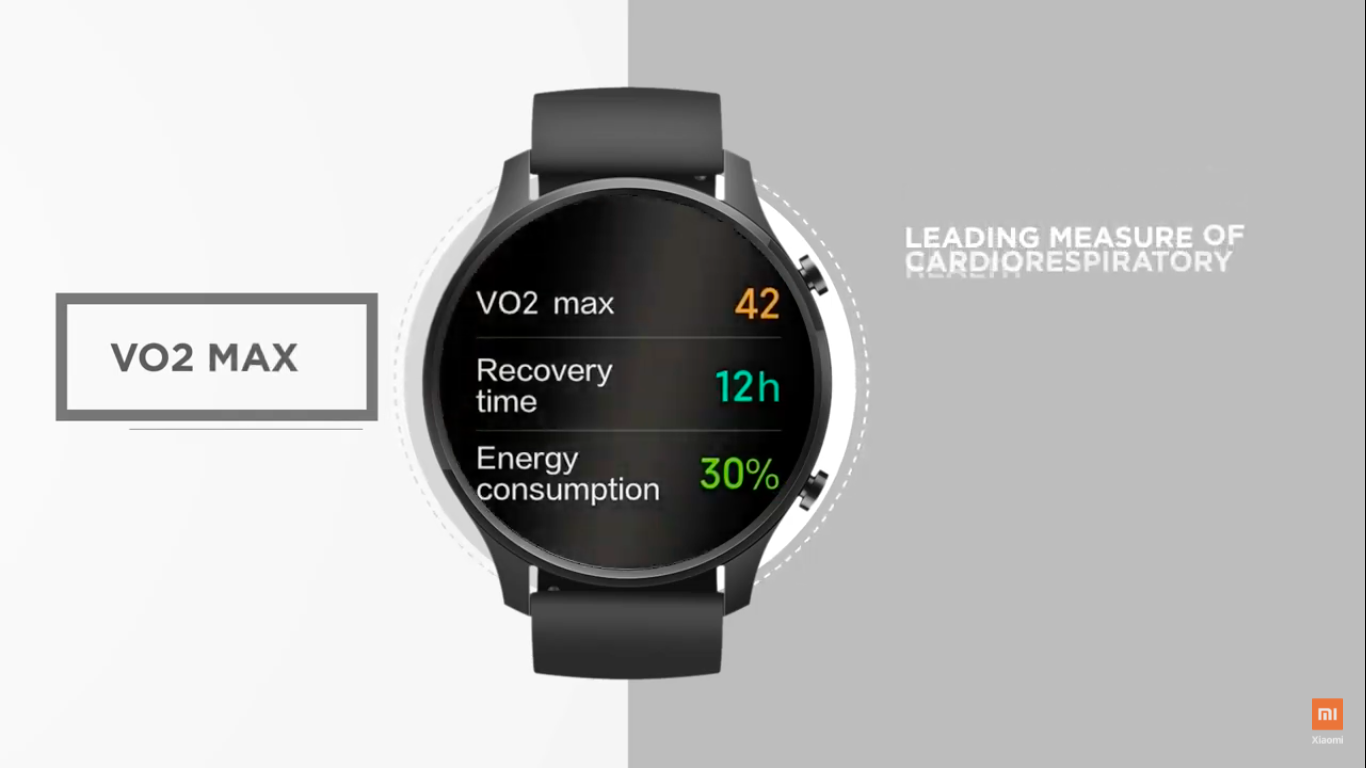
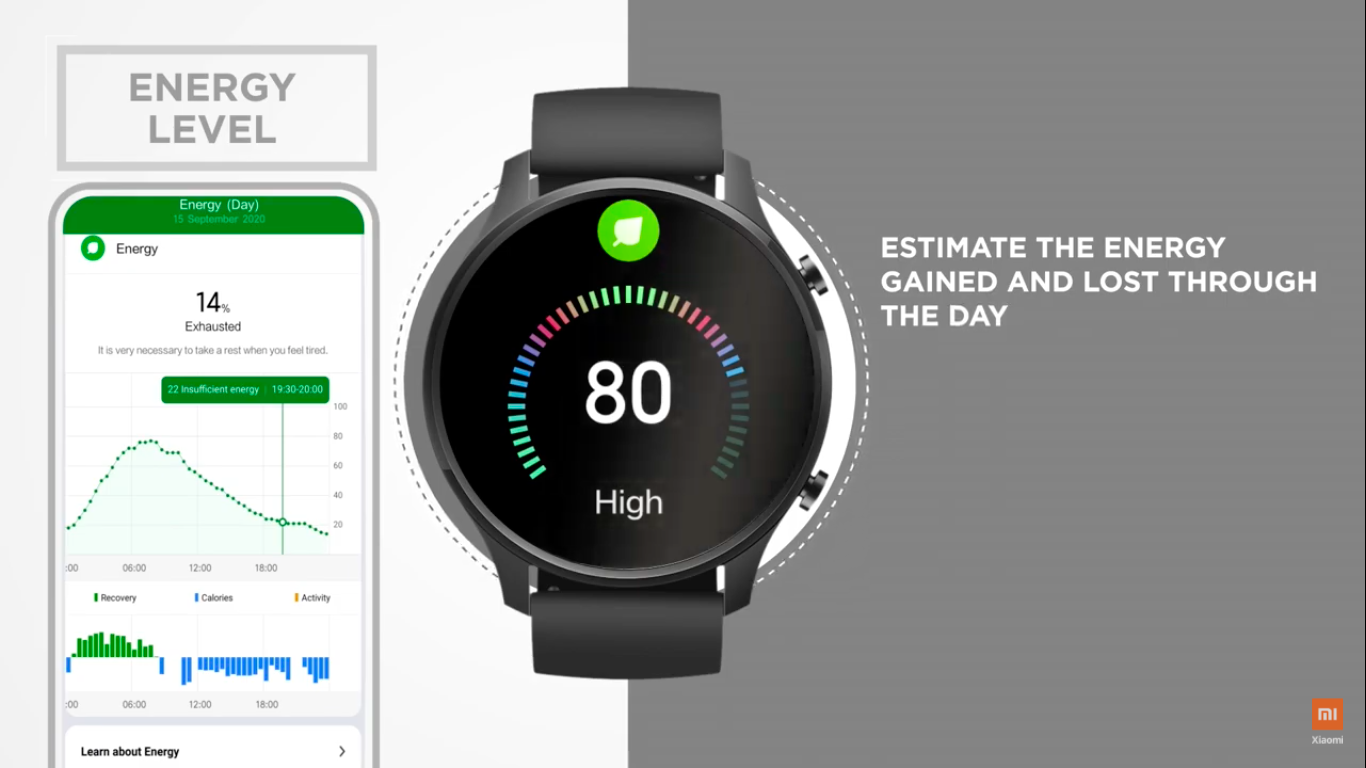
It comes with 10 sports modes including running, cycling, hiking, exercise, walking, pool and more. The smartwatch comes with Firstbeat Motion Algorithm that helps you track your fitness and wellbeing such as heart rate tracking, activity tracking, stress level tracking, and even energy level tracking. It also shows your energy and stress level and monitors cardiovascular health via VO2 Max feature.
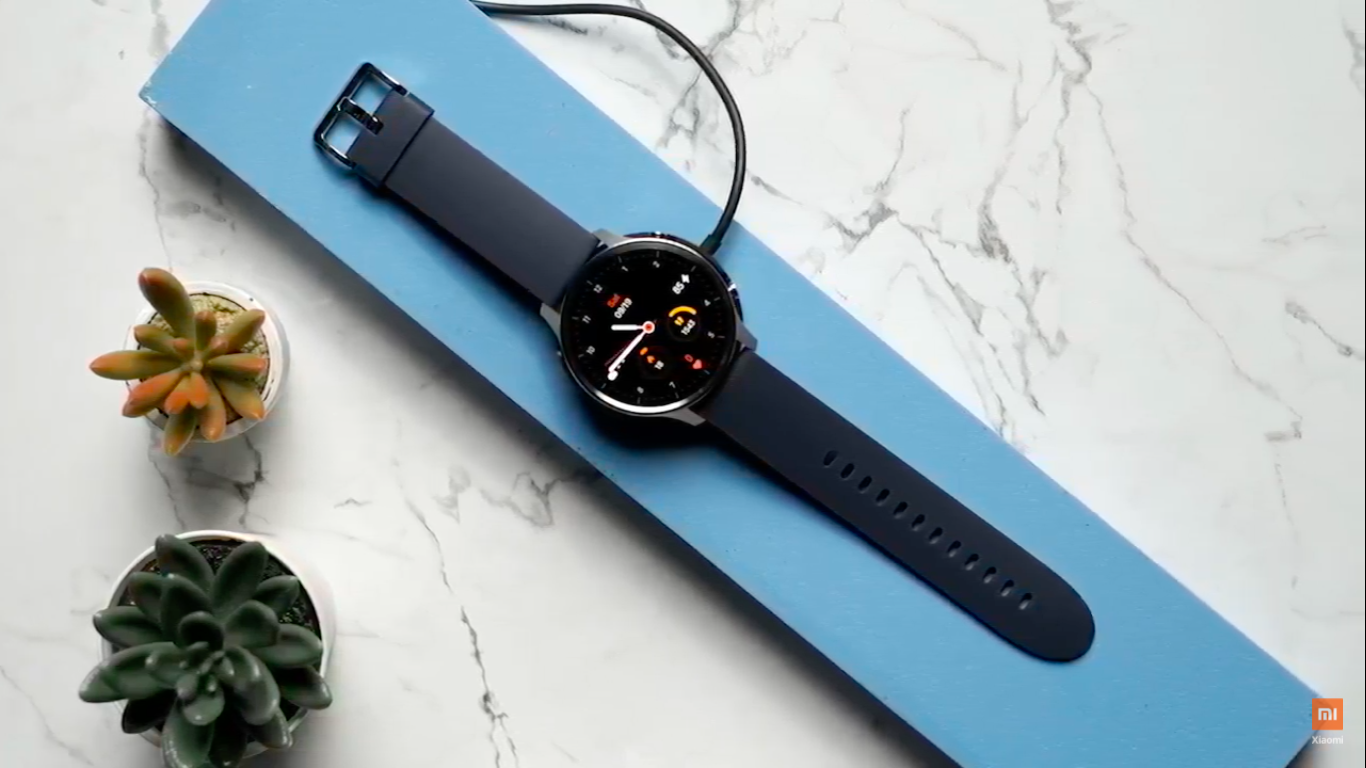
In terms of battery, it houses a 420 mAh battery that, as per the company, can last up to 14 days. Mi Revolve supports 2 pin magnetic charging. It is waterproof up to 50 m.
The new Xiaomi fitness band comes with a 1.1-inch AMOLED colour display that offers 450 nits brightness and a resolution of 126 x 294 pixels. Mi Smart Band 5 comes with stress monitor, heart rate monitor, guided breathing exercise and REM sleep tracking.

It comes with 11 workout modes that include walking, cycling, treadmill and more. The fitness band also comes with camera control and automatic activity detection. Mi Smart Band 5 also tracks menstruation cycles and sends monthly reminders.
All the tech-customization lovers out there, we’ve got you covered!
The #MiSmartBand5 comes with unlimited watch faces.
Apart from that, you can rock your own watch face just by uploading your favourite picture using the Mi Fit App.
❤️ if can't wait to try out this feature pic.twitter.com/LC2cUVmAPi
— Mi India #SmarterLiving2021 (@XiaomiIndia) September 29, 2020
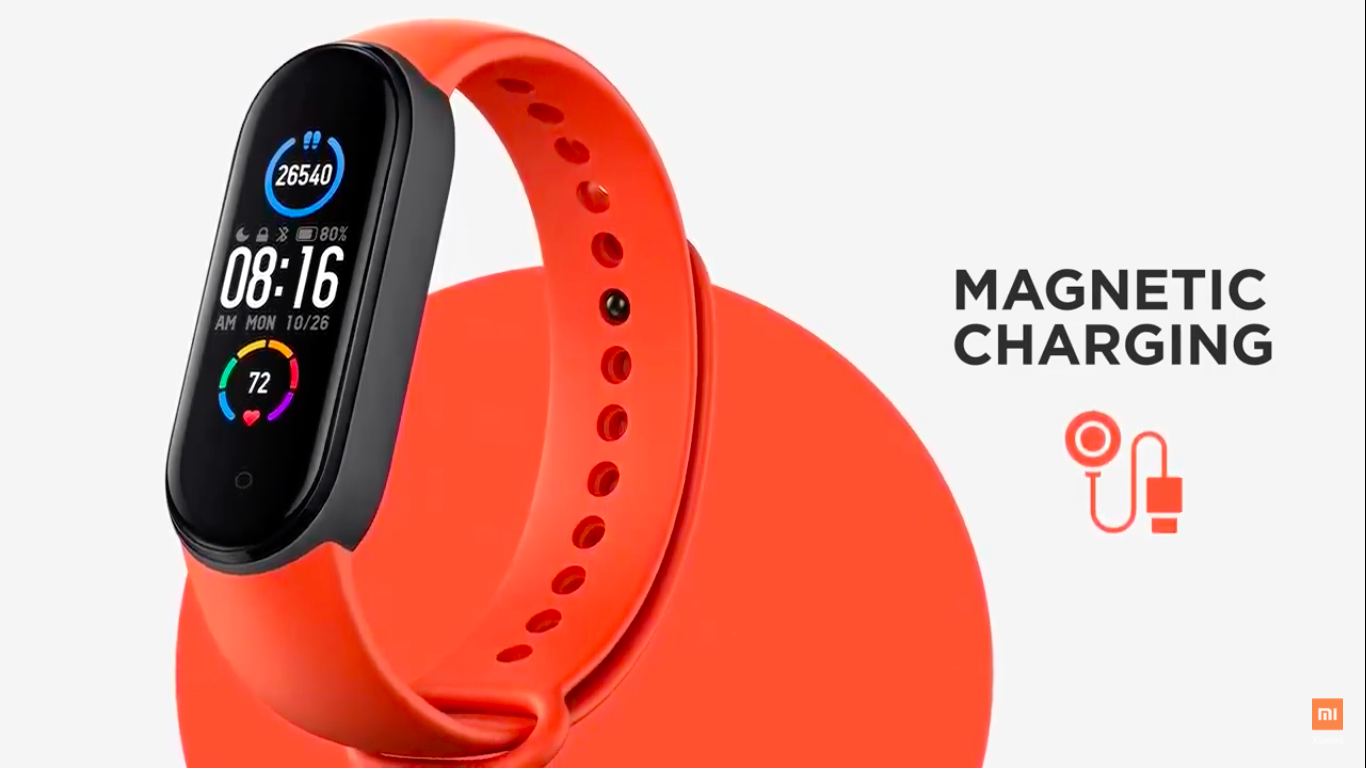
In terms of battery, it supports magnetic charging and can last up to three weeks with light usage. It is water-resistant up to 50 m.
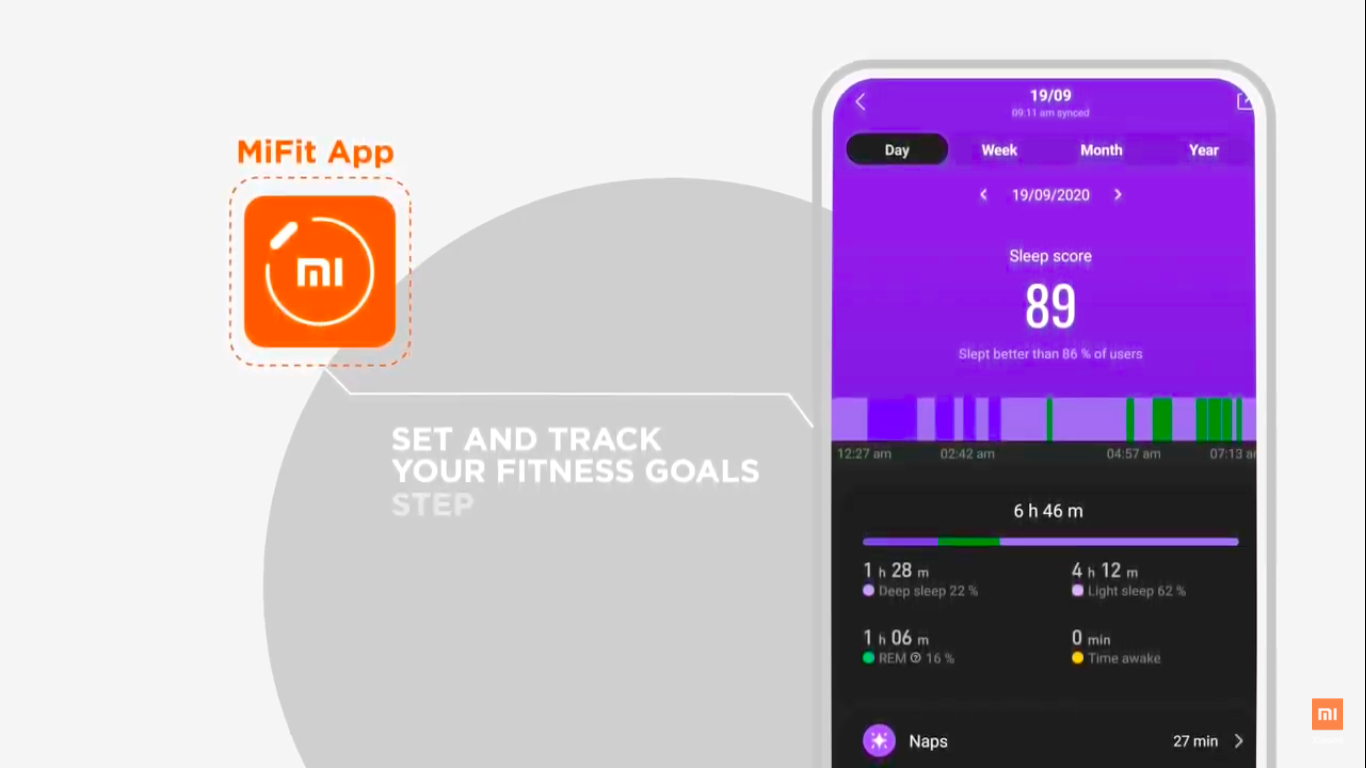
The band can be synced with the Mi Fit app and is compatible with both Android and iOS.
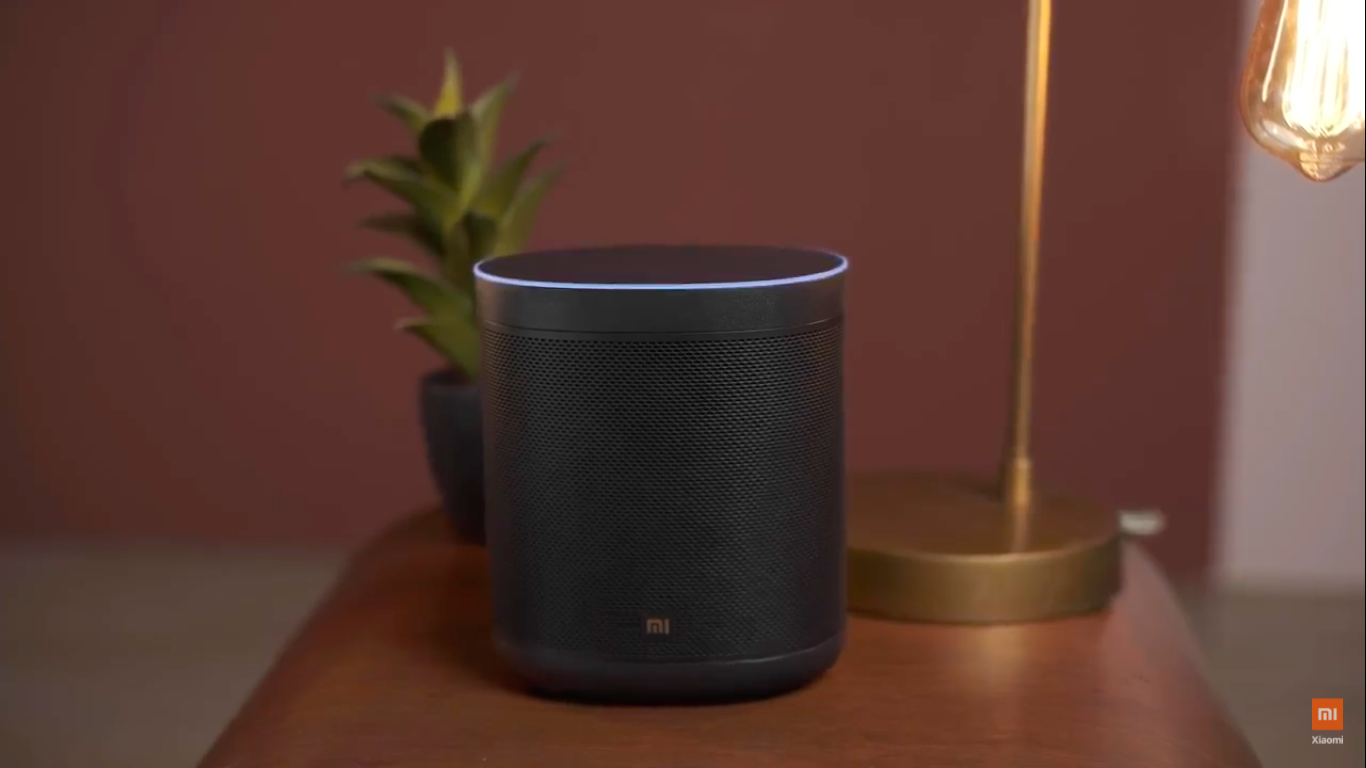
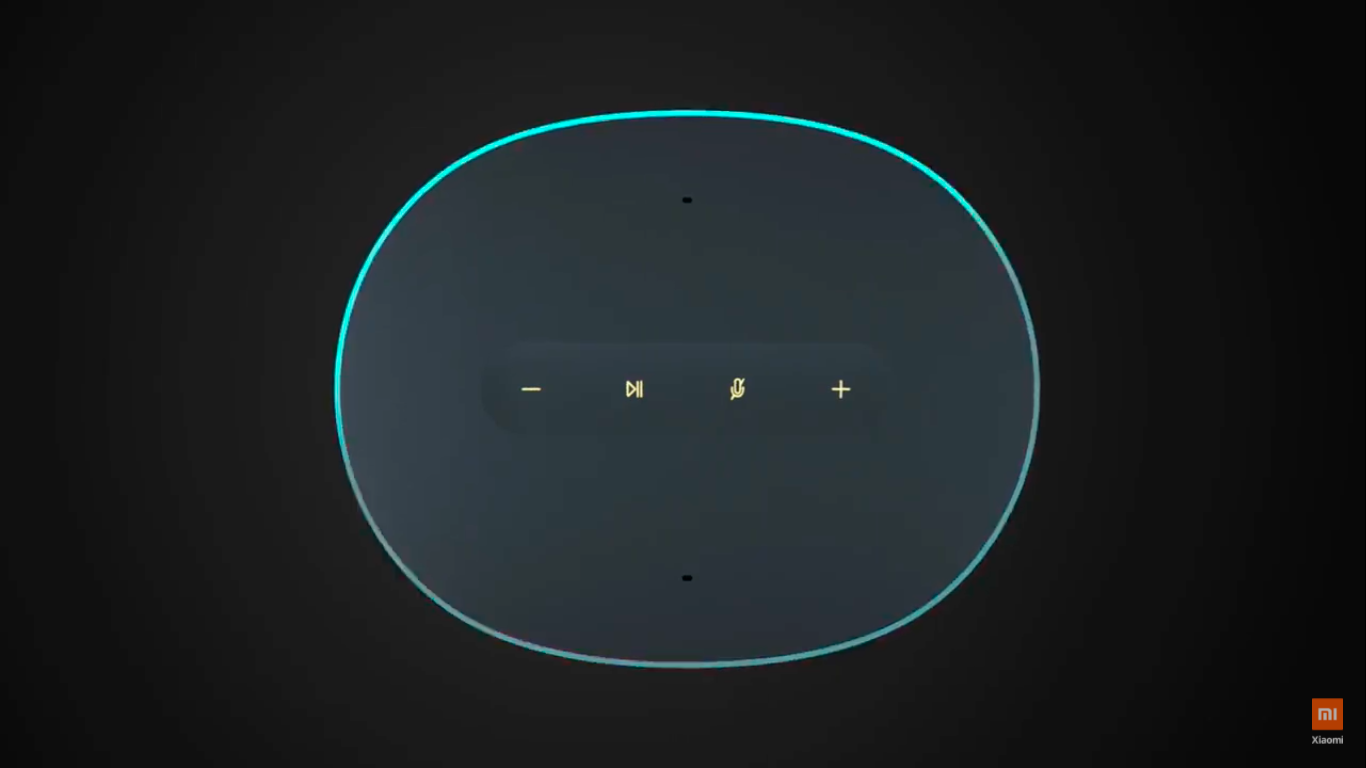
The Mi Smart Speaker features a metal mesh design and matte finish. It has an Amazon Echo-like LED ring on the top for indicators.

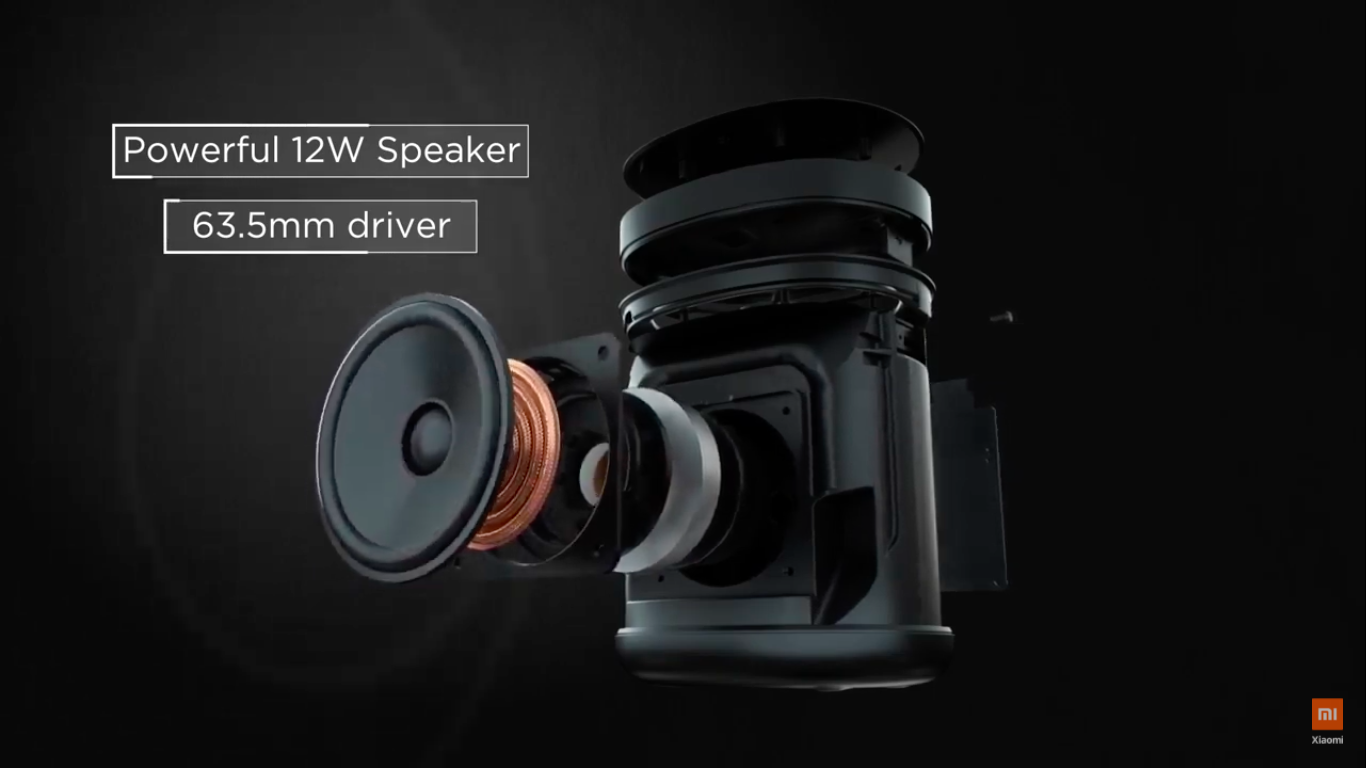
The smart speaker comes with a 12W front-firing speakers and 63.5 mm driver and supports Google Assistant. It works with both WiFi and Bluetooth and supports Hindi and English language. It can be connected to a phone, tab, PC or laptop.
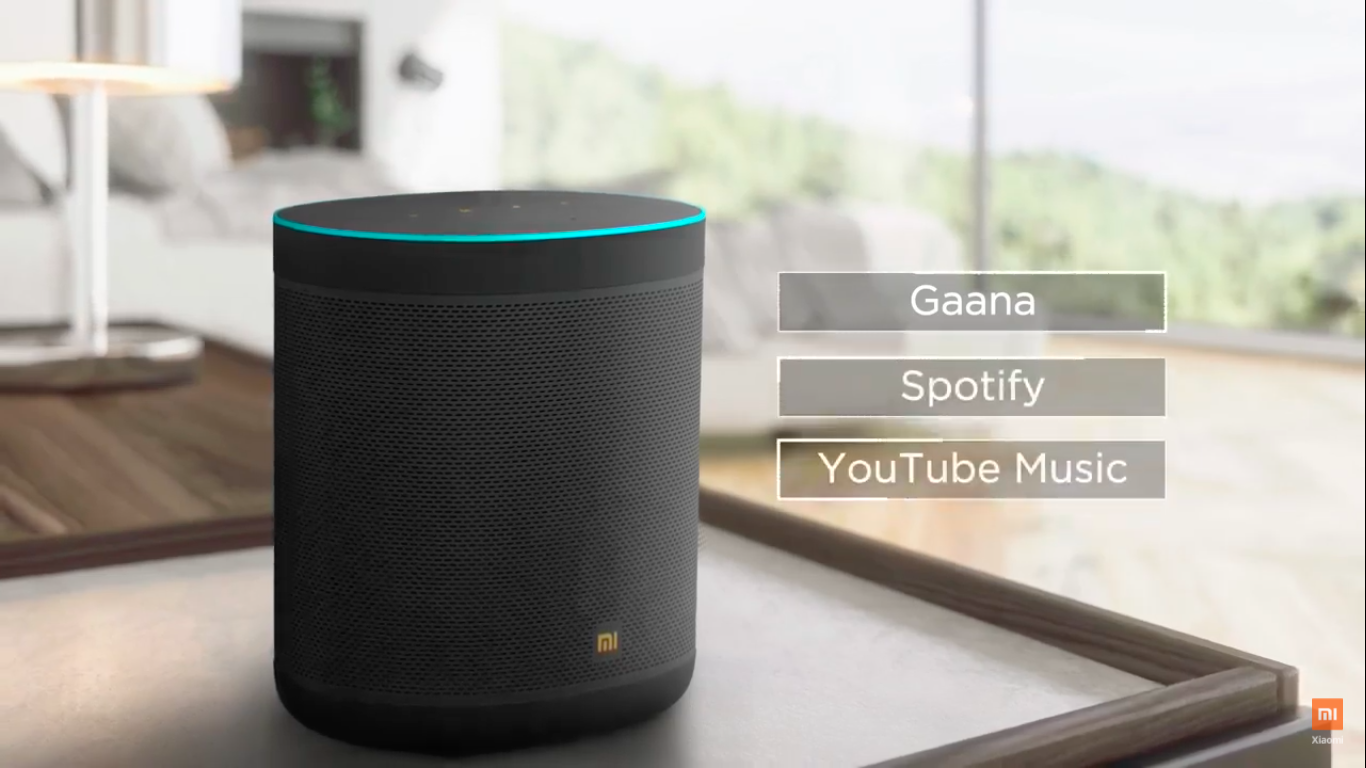
Mi Smart Speaker can play music from Gaana, Spotify and YouTube Music
The shoes have a shock-absorbing EVA sole, a honeycomb mesh design. The shoes can be used during a run or for home workouts.
You’ll be able to step into the #MiAthliesureShoes on (date). It’ll be available on https://t.co/D3b3QtmvaT for ₹1,499.
RT🔄if you’re as excited as we are. #SmarterLiving2021 pic.twitter.com/M1mH9Yd3S5
— Mi India #SmarterLiving2021 (@XiaomiIndia) September 29, 2020
<script The Mi Automatic Soap Dispenser senses your hands in less than 1.25 seconds. It can hold 300 ml of soap. It is priced at Rs 999 and comes with a free liquid soap pouch.
Reasons to bring home the #MiAutomaticSoapDispenser: 1⃣Comes with Automatic soap dispensing tech that dispenses soap is 0.25 seconds 2⃣The 300 ml bottle gives you up to 375 hand washes 3⃣Fits perfectly in your home decor. What are you waiting for? RT🔄 and spread the word. pic.twitter.com/JAfU5FD5Ly — Mi India #SmarterLiving2021 (@XiaomiIndia) September 29, 2020
The Mi Smart LED Bulb can be paired with the Mi Home app. It can also be paired with Google Home app and the Amazon Echo app.
12:50 (IST)
Mi Smart Bulb White unveiled in India
The bulb can be paired with the Mi Home app. It can also be paired with Google Home app and the Amazon Echo app. It will be available starting today on mi.com and is priced at Rs 499.
12:47 (IST)
Mi Smart Speaker is priced in India at Rs 3,999
It will be available for purchase starting 1 October on Flipkart and Mi.com.
On the purchase of Mi Smart Speakers, customers will also get a free annual subscription of the Gaana app.
12:45 (IST)
Mi Smart Speaker also understands Hindi commands and responds in Hindi as well
12:44 (IST)
Mi Smart Speaker can play music from Gaana, Spotify and YouTube Music
12:42 (IST)
The Mi Smart Speaker is powered by Google Assistant
12:42 (IST)
The Mi Smart Speaker features Wi-Fi connectivity
This means it can be connected to a phone, tab, PC or laptop.
12:40 (IST)
The Mi Smart Speaker features a front-firing 12 W speakers with a 63.5 mm driver
12:39 (IST)
The Mi Smart Speaker features a touch panel on the top
12:38 (IST)
Xiaomi Mi Smart Speaker debuts in India
It features a metal mesh design and matte finish. It has an Amazon Echo-like LED ring on the top for indicators.
12:35 (IST)
Xiaomi has also announced the new Mi Automatic Soap dispenser
The dispenser senses your hands in less than 1.25 seconds. It can hold 300 ml of soap. It is priced at Rs 999 and comes with a free liquid soap pouch. It will be available starting today.
12:33 (IST)
Xiaomi has also announced new Mi Athleisure shoes
The shoes have a shock-absorbing EVA sole, a honeycomb mesh design. The shoes can be used during a run or for home workouts. The shoes are priced at Rs 1,499, and will be available for purchase on mi.com and Amazon starting today, 29 September.
12:31 (IST)
Mi Smart Band 5 has been launched at Rs 2,499
It will be available for purchase on Amazon and mi.com starting 1 October.
12:29 (IST)
The Mi Smart Band can be synced with the Mi Fit app
The band is compatible with both Android and iOS.
12:29 (IST)
Mi Smart Band 5 also tracks menstruation cycles and sends monthly reminders
12:28 (IST)
The Mi Smart Band 5 also tracks your stress levels
It also tracks 24-hour sleep cycles.
12:27 (IST)
Mi Smart Band 5 features Personal Activity Intelligence
It tracks all your activities and workouts and allots your PAI points.
12:26 (IST)
Mi Smart Band 5 features 11 workout modes
It also comes with automatic activity detection.
12:25 (IST)
Mi Band 5 sports magnetic charging
It is water resistant up to 50 m.
12:24 (IST)
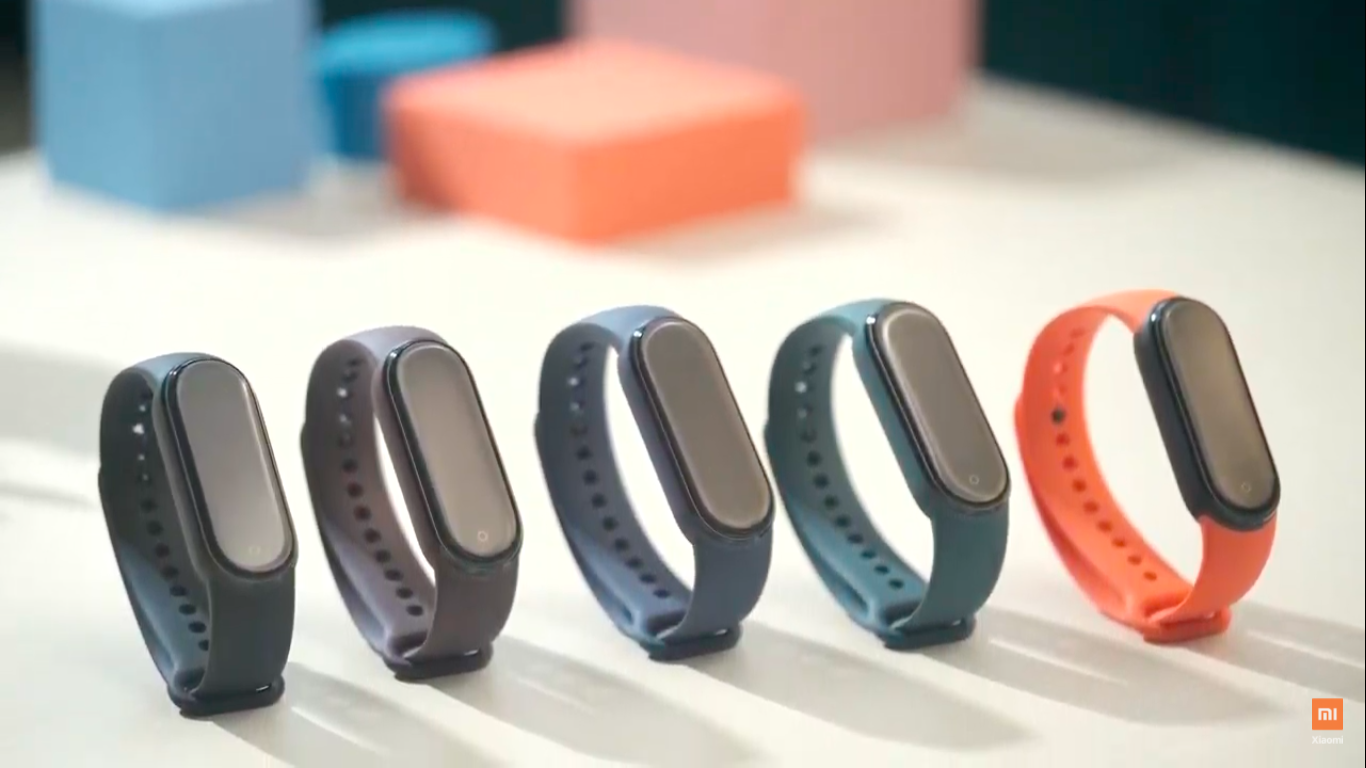
Mi Band 5 comes in five colour options
12:23 (IST)
Mi Band 5 lets you customise watch faces
You can also click a picture on your phone and use it as a watch face on the band.
12:22 (IST)
Mi Smart Band 5 sports a 1.1-inch AMOLED display
It has a brightness level of 450 nits.
12:21 (IST)
Now turn for the Mi Smart Band 5!
12:18 (IST)
Mi Watch Revolve announced in India at Rs 10,999
The watch will be available for its first sale on 6 October.
Xiaomi has also announced an introductory offer, wherein customers buying the watch till Diwali will be able to purchase it for Rs 9,999.
12:16 (IST)
A summary of all Mi Watch Revolve features
12:14 (IST)
Xiaomi claims that the Mi Watch Revolve can offer up to two weeks of battery life
12:13 (IST)
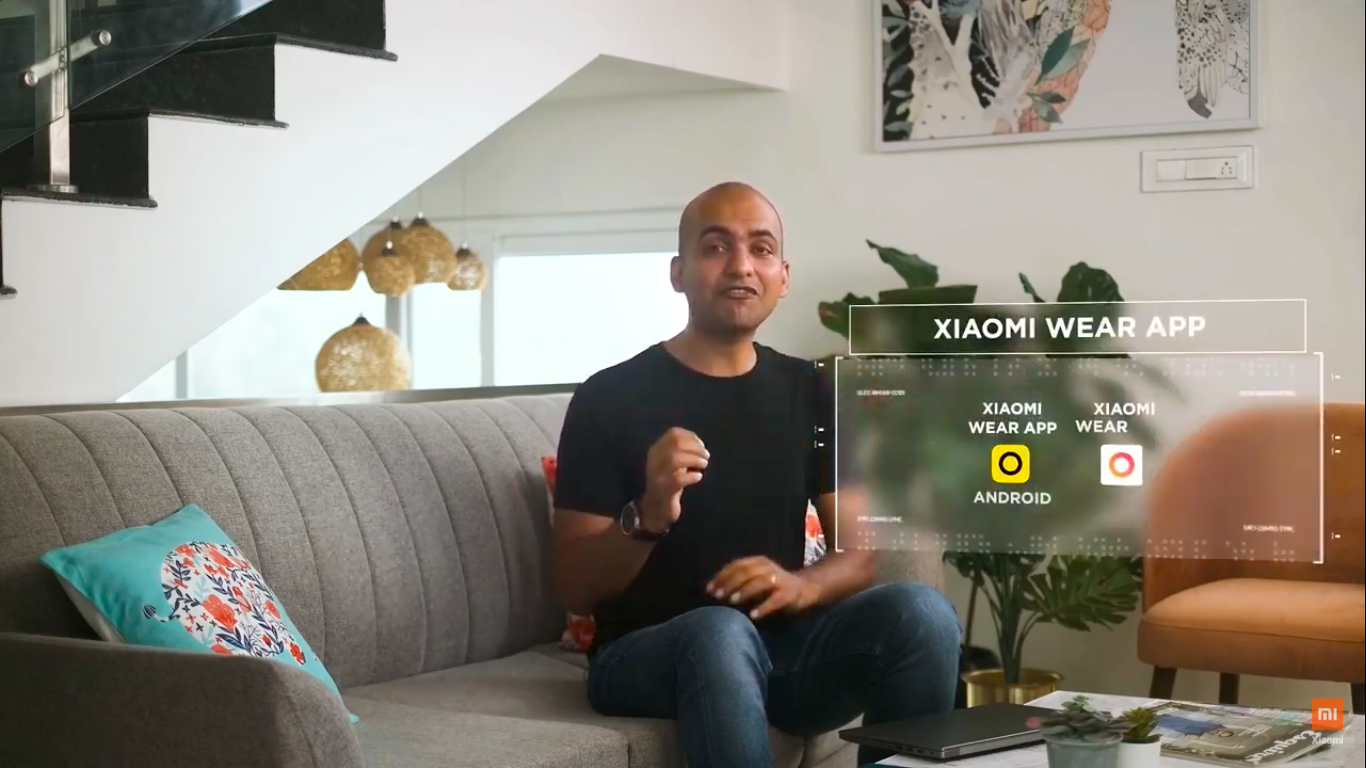
The Mi Watch Revolve can be used with the Xiaomi Wear app
The watch is compatible with both Android and iOS devices.
12:12 (IST)
The Mi Watch Revolve is waterproof up to 50m
12:11 (IST)
The Mi Watch Revolve also indicates VO2 levels – cardivascular health
12:10 (IST)
The Mi Watch Revolve will show your energy and stress level
12:09 (IST)
Xiaomi Mi Watch Revolve comes with Firstbeat Motion Algorithm
The algorithm helps you track your fitness and wellbeing such as heart rate tracking, activity tracking, stress level tracking, and even energy level tracking.
12:07 (IST)
Mi Watch Revolve sports an AMOLED display
The display of the watch offers up to 450 nits brightness. It also comes with an Always-on display feature.
The display is scratch resistant and is protected by Gorilla Glass 3.
12:04 (IST)
The Mi Watch Revolve comes in a black and silver colour variants
The watch has detachable straps and Xiaomi will also offer choices of a bunch of straps for the Mi Watch Revolve.
12:03 (IST)
Xiaomi is debuting in the smartwatch segment in India today
The company unveils the new Mi Watch Revolve
12:02 (IST)
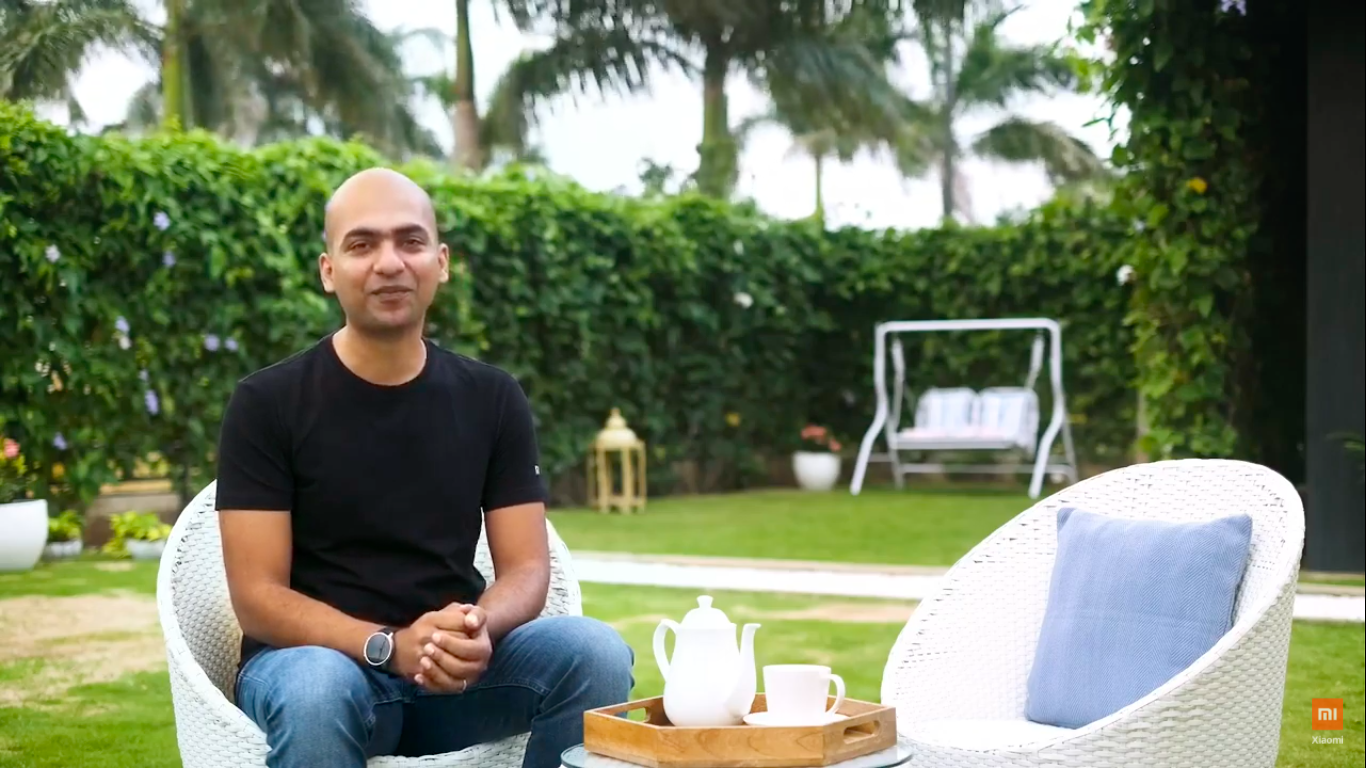
Xiaomi India head Manu Kumar Jain is addressing the live stream
Xiaomi says that over 300 million users have an IoT product by the company, all over the world.
12:01 (IST)
The event is now live...
11:46 (IST)
Xiaomi Smarter Living 2020: What to expect?
At the event today, Xiaomi is expected to unveil its first-ever smartwatch and smart speaker, along with the next-generation Mi Band.
11:23 (IST)
Xiaomi will be live streaming the Smarter Living 2021 event
Below is the YouTube webcast link for the event live stream:
11:06 (IST)
Xiaomi Smarter Living 2021
Xiaomi is hosting its annual Smater Living event today, where it will launch its first-ever smartwatch, smart speaker, and the next generation of it Mi fitness band. Stay tuned for all the updates from the event.
Xiaomi is hosting its annual Smarter Living event today. The event is scheduled to kick off at 12 pm. The company has already confirmed that it will be launching three new products today. One will be Xiaomi's first smartwatch, which is expected to be called Mi revolve. Xiaomi says it will also unveil its next-generation fitness band, which will likely be the Mi Band 5. And a recent post on Xiaomi's own website also confirmed that the company will launch its first-ever smart speaker at the event today.
Xiaomi will be live streaming the event, which you can tune in to at 12 pm today. Here's how you can watch the event live.
Reports suggest that the purported Mi Revolve will a rebranded Mi Watch Color that debuted in China recently. Going by the specs of Mi Watch Color, Mi Revolve might feature a circular 1.39-inch AMOLED display. It is likely to come with 14-day battery life and over 110 watch faces.
In terms of features, the smartwatch is expected to come with a sleep tracker, continuous heart rate monitor, VO2 monitor, 10 sports mode and stress monitor. It is likely to come with 5ATM water resistance.

Mi Revolve will come with a circular display.
Xiaomi's new fitness band Mi Band 5 has already debuted in China. Mi Band 5 is expected to feature a 1.1-inch color AMOLED display. It might come with 11 workout modes and over 100 watch faces. Mi Band 5 is likely to come with features like continuous heart rate monitor, menstrual cycle tracker, sleep tracker and more.
In terms of battery, just like Mi Revolve, the fitness band is also likely to offer up to 14-day battery life.
According to a tipster Ishan Agrawal, the new fitness band might be priced at Rs 2,999 in India.
The company has remained quite tight-lipped when it comes to the smart speaker. Going by the company's microsite, the smart speaker will have a cylindrical shape and its controls will be placed on the top. It will be available in a black colour option.

Bitcoin price is sideways and pinned below $11K, leading traders to seek greener pastures in altcoins and DeFi tokens.
11:06 (IST)
Xiaomi Smarter Living 2021
Xiaomi is hosting its annual Smater Living event today, where it will launch its first-ever smartwatch, smart speaker, and the next generation of it Mi fitness band. Stay tuned for all the updates from the event.
Xiaomi is hosting its annual Smarter Living event today. The event is scheduled to kick off at 12 pm. The company has already confirmed that it will be launching three new products today. One will be Xiaomi's first smartwatch, which is expected to be called Mi revolve. Xiaomi says it will also unveil its next-generation fitness band, which will likely be the Mi Band 5. And a recent post on Xiaomi's own website also confirmed that the company will launch its first-ever smart speaker at the event today.
Xiaomi will be live streaming the event, which you can tune in to at 12 pm today. Here's how you can watch the event live.
Reports suggest that the purported Mi Revolve will a rebranded Mi Watch Color that debuted in China recently. Going by the specs of Mi Watch Color, Mi Revolve might feature a circular 1.39-inch AMOLED display. It is likely to come with 14-day battery life and over 110 watch faces.
In terms of features, the smartwatch is expected to come with a sleep tracker, continuous heart rate monitor, VO2 monitor, 10 sports mode and stress monitor. It is likely to come with 5ATM water resistance.
Xiaomi's new fitness band Mi Band 5 has already debuted in China. Mi Band 5 is expected to feature a 1.1-inch color AMOLED display. It might come with 11 workout modes and over 100 watch faces. Mi Band 5 is likely to come with features like continuous heart rate monitor, menstrual cycle tracker, sleep tracker and more.
In terms of battery, just like Mi Revolve, the fitness band is also likely to offer up to 14-day battery life.
According to a tipster Ishan Agrawal, the new fitness band might be priced at Rs 2,999 in India.
The company has remained quite tight-lipped when it comes to the smart speaker. Going by the company's microsite, the smart speaker will have a cylindrical shape and its controls will be placed on the top. It will be available in a black colour option.